
Date: Jul. 14, 2021
The gravity thickener is primarily used for the dewatering of concentrates and tailings in mineral processing plants. In daily operations, rake pressure overload is one of the common failures encountered with gravity thickeners. Once this issue occurs, it not only wastes material resources but also increases investment costs. Therefore, timely resolution is critical. How can we address the rake pressure overload problem in gravity thickeners? Let’s explore the solutions below.
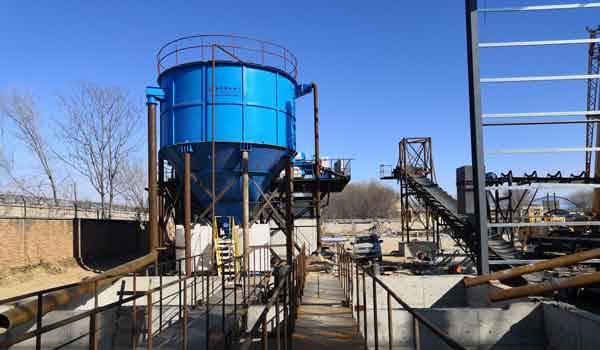
There are many reasons for the crushing of the gravity thickener. Below we mainly introduce the failure and feeding of the gravity thickener.
The main faults of the gravity thickener are the falling off of the rake teeth of the rake, the deformation of the rake, the falling off of the angle steel agitator, and the failure of the underflow pump.
The material of the thickener is scraped from the upper part of the thickener to the bottom during the drive of the rake. If the rake frame (part of the rake frame) of the thickener rake is damaged or falls off, the material cannot be effectively scraped off during the rotation of the rake, causing the material to accumulate, and the harrowing failure is prone to occur.
The deformation of the rake of a thickener is similar to the shedding of rake teeth. When the rake is bent and deformed, the rake teeth at the deformed part cannot scrape the material stably and effectively during the transmission process, which will cause the material to accumulate for a long time and cause the problem of harrowing.
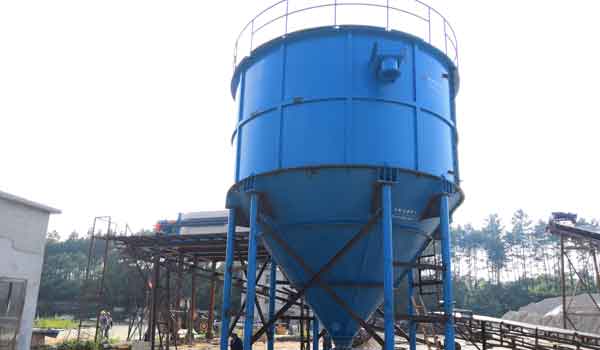
Material accumulation often occurs in the annular trough at the bottom of the thickener. During rake operation, the angle steel agitators located at the base of the rake continuously agitate this accumulated material. Their primary function is to loosen the solids, ensuring they can be discharged normally via the underflow pump. If these angle steel stirrers detach and prevent normal discharge of bottom materials, it will result in a pressure rake failure.
Solution: To address the aforementioned issues: Operators must strictly adhere to daily inspection and maintenance protocols, maintaining detailed inspection records. It is also essential to monitor equipment performance continuously during normal operations; any abnormalities should be identified and resolved promptly. Crucially, never force the thickener to operate for production purposes if a failure has occurred.
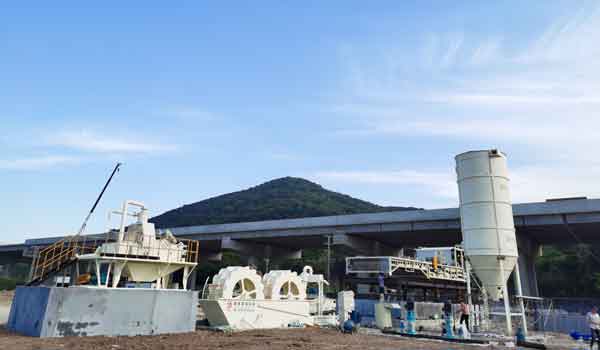
Rake overload resulting from improper feeding is primarily caused by two factors: the feed rate exceeding the processing capacity, or the feed material being too coarse.
When the feed rate of a gravity thickener consistently exceeds its processing capacity for an extended period, the underflow accumulates faster than it can be discharged. This leads to increased torque on the rake mechanism. If the torque becomes excessive, causing the rake to lift automatically, rake failure occurs.
Solution: Ensure the feed rate matches the processing capacity. If high torque is detected, reduce the feed rate and appropriately increase the underflow discharge rate. Once normal operation resumes, adjust both the feed and underflow rates back to standard levels.
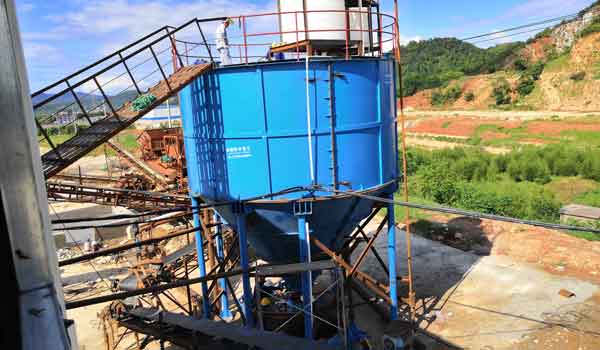
When the feed particle size exceeds specifications due to inadequate grinding, coarse slurry particles compact rapidly within the . This excessive compaction prevents effective removal by the rake and accelerates wear on rake components. Additionally, transporting oversized particles increases the risk of segregation in the underflow pump—where fines wash away while coarse sand remains. Over time, this accumulation can lead to severe rake damage or failure.
Solution: Immediately reduce grinding throughput or halt thickener feed. Enforce strict particle size control protocols in the grinding circuit to ensure consistent compliance with thickener requirements.
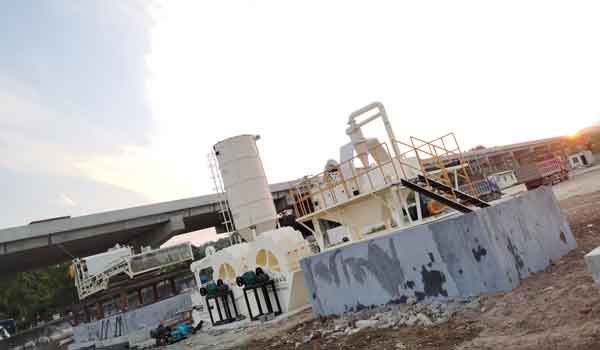
Above, we have outlined the causes and solutions for thickener rake issues from two perspectives: equipment failure and improper feeding. Additionally, irrational thickener design or improper operator practices can also lead to rake jamming. Therefore, in actual production, maintenance personnel should ensure timely upkeep and cleaning of the thickener.
Please enter your inquiry and contact. We will reply you as soon as possible.
We are here for your questions anytime 24/7, welcome your consultation.
The latest sand washer price.
Installation and maintenance.
Screening
Sand Washing Machines
Sludge Treatment
Sand Recycling Machines
Address: Shuangyue Road, Changdai Town, Mengjin County, Luoyang, China
Email: export@lylzzg.com
Tel: +86-18736301510


 日本語
日本語 Русский
 中文
中文 Español
 Français
 Português
 العربية
 Tiếng Việt
 Deutsch
 한국어
한국어 Türkçe
 বাংলা
বাংলা हिन्दी
 Bahasa Melayu
 Kiswahili