
Date: Nov. 04, 2021
How to Set Up a Zero-Pollution Sand Washing and Sewage Treatment Line? This is a question many customers ask. Today, we provide an in-depth analysis. A zero-emission production line for weathered sand tailings requires the integration of , , and .
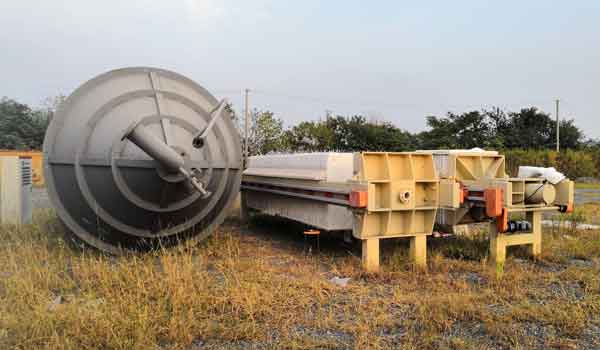
Currently, tailings treatment methods generally follow three main directions: tailings re-selection, tailings dewatering, and goaf backfilling with tailings. We will explain these three aspects separately below. In response to these treatment methods, LZZG’s R&D department has launched a zero-emission production line solution for weathered sand tailings. This program is designed to recycle and reuse metal and non-metal tailings, improving resource utilization while addressing washing and beneficiation processes. It focuses on managing solid waste generated during processing and purifying and reusing sand washing tailwater. The entire system offers excellent manufacturability, high material screening efficiency, and recovery rates, ensuring all tailwater is reused, which significantly enhances overall resource utilization.
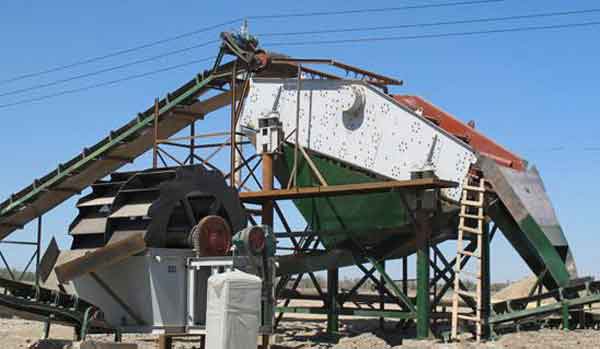
Screening equipment: Tailings dewatering screens or tailings dry discharge systems are used to dehydrate and classify materials.
Thickener: Separates mud from water through concentration and sedimentation, purifying the overflow water.
Filter press: Thickened sludge from the thickener is pressed into a filter cake by the filter press, achieving sludge dewatering and dry stacking.
The slurry in the weathered sand tailings zero-emission production line often contains high moisture content. Excessive water in tailings can easily lead to tailings dam failure. Therefore, tailings concentration and dehydration are critical steps in the beneficiation plant. Common tailings dehydration processes include hydrocyclone concentration, filter pressing, and dry tailings dewatering. LZZG has integrated these three components into the weathered sand tailings zero-emission production line.
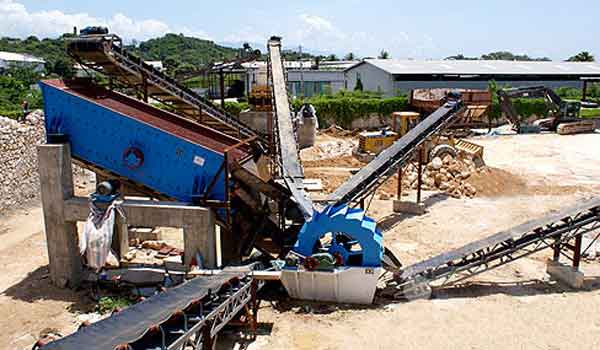
Screening: Material is conveyed via belt conveyor to a circular vibrating screen or drum screen, where it is separated into several fractions of different sizes.
Cleaning and Dewatering: Specification-compliant undersize material enters the cleaning water tank of the sand washing and recycling integrated machine. As the sand washing wheel rotates, it agitates the material within the tank to perform cleaning operations, effectively removing surface impurities. Following cleaning, coarse granular material is transferred by the dredging wheel to the dewatering screen (dry tailings sieve) for dewatering.
Fine Material Recovery: The overflow from the integrated machine enters the tailwater collection tank via pipelines. The tailwater is then pumped into the separator (cyclone) by a slurry pump, where sediment separation occurs. Recovered fine materials are discharged onto the surface of the dewatering sieve, where they are evenly mixed with coarse materials and dehydrated prior to discharge. The discharge port connects to a belt conveyor to transport the finished product to the designated location.
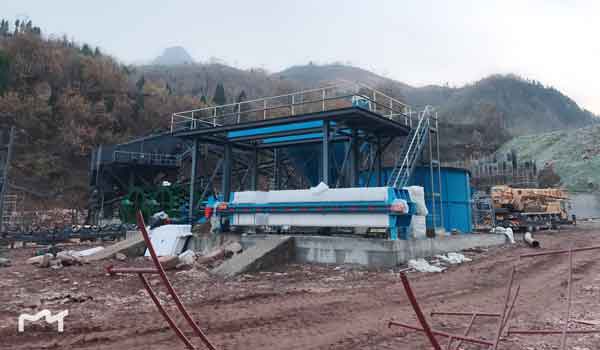
Solid-liquid separation: Simultaneously, the muddy water discharged from the separator—with suspended solids content below 5%—is directed into the sewage tank. The tailwater is then pumped from the sewage tank into the filter tank (thickening tank) for further mud-water separation. Once the filter tank (concentration tank) processes approximately 80% of the tailwater into clean water, it flows directly into the clean water tank via overflow.
Sludge dewatering: The concentrated slurry is pumped from the bottom of the tank into plate-and-frame filter presses. These presses compress the slurry into a mud cake suitable for dry stacking, landfill disposal, or other beneficial reuse applications. Following pressure filtration, the recovered clean water enters the clean water tank, enabling full recycling and achieving zero discharge throughout the entire process.
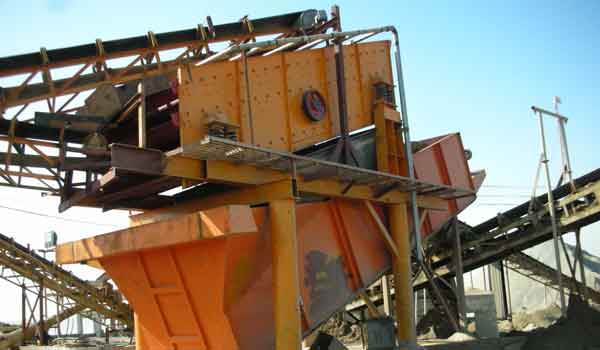
The zero-discharge production line for weathered sand tailings achieves silt-sand separation, recovering and dewatering solid particles from the material. It also separates mud from water by purifying tailwater from previous operations, enabling dry discharge and dry stacking of solid waste in the tailwater. This solution not only helps customers meet environmental protection requirements but also utilizes tailings to create a win-win outcome for both the environment and the economy. For details on specific plans and procedures, please contact us for a quote.
Please enter your inquiry and contact. We will reply you as soon as possible.
We are here for your questions anytime 24/7, welcome your consultation.
The latest sand washer price.
Installation and maintenance.
Screening
Sand Washing Machines
Sludge Treatment
Sand Recycling Machines
Address: Shuangyue Road, Changdai Town, Mengjin County, Luoyang, China
Email: export@lylzzg.com
Tel: +86-18736301510


 日本語
日本語 Русский
 中文
中文 Español
 Français
 Português
 العربية
 Tiếng Việt
 Deutsch
 한국어
한국어 Türkçe
 বাংলা
বাংলা हिन्दी
 Bahasa Melayu
 Kiswahili