
Date: Aug. 28, 2021
Many customers experience rapid wear of the screen during vibrating screen operation, leading to frequent damage and the need for replacement, which increases production costs. This article explains why vibrating screens are often damaged and how to prevent such issues from recurring.
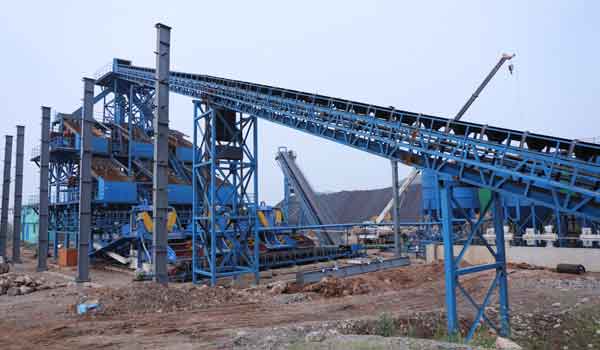
After the vibrating screen has been in operation for some time, prolonged contact between the material and the screen surface can cause the screen mesh to separate from the frame. This results in looseness, ultimately leading to screen damage over extended use.
Solution: Regularly inspect and maintain the screen to ensure it remains securely fitted. If any looseness is detected, manually tighten the screen immediately.
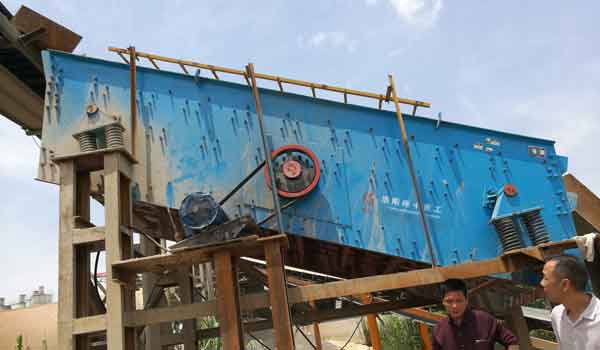
The screens used in vibrating screens are typically manufactured from stainless steel 304, carbon steel, or polyurethane. Stainless steel 304 offers superior durability and a longer service life compared to carbon steel. Polyurethane is the most durable option among all screen materials, although it comes at a higher cost. If low-quality screens are selected, they are prone to damage after a period of use.
Solution: It is essential to purchase screens from reputable manufacturers to ensure that the selected screen material is suitable for your specific screening application, offering high quality and extended longevity.
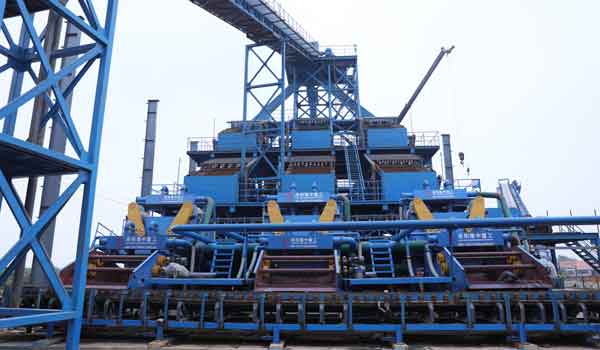
During operation, adding excessive material at once can cause accumulation on the screen surface. This increases the load on the screen, potentially leading to structural failure or collapse. Additionally, if the material being screened has specific adhesive or viscous properties, it may stick to the mesh, causing clogging which ultimately results in screen breakage.
Solution: Increase the vibration amplitude of the vibrating screen or install a funnel-shaped feed hopper at the inlet to ensure uniform feeding.
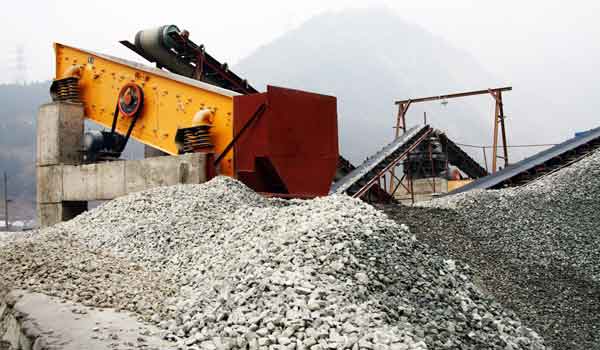
If the interior of the screen body and the mesh surface are not cleaned promptly after material screening, fine particles can accumulate over time. This buildup increases friction between the screen mesh and the frame, leading to damage.
Solution: Clean the interior of the screen body and the mesh surface thoroughly after each screening cycle to ensure optimal performance in subsequent operations.
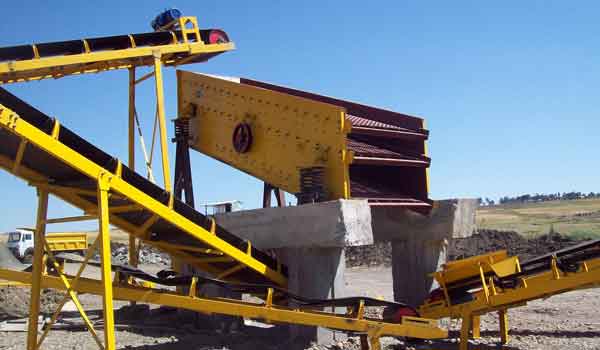
This concludes our overview of common causes for vibrating screen damage. We hope this guide helps you resolve your issues. For further questions or technical support, please contact our customer service team—we are ready to assist you.
Please enter your inquiry and contact. We will reply you as soon as possible.
We are here for your questions anytime 24/7, welcome your consultation.
The latest sand washer price.
Installation and maintenance.
Screening
Sand Washing Machines
Sludge Treatment
Sand Recycling Machines
Address: Shuangyue Road, Changdai Town, Mengjin County, Luoyang, China
Email: export@lylzzg.com
Tel: +86-18736301510


 日本語
日本語 Русский
 中文
中文 Español
 Français
 Português
 العربية
 Tiếng Việt
 Deutsch
 한국어
한국어 Türkçe
 বাংলা
বাংলা हिन्दी
 Bahasa Melayu
 Kiswahili