
Date: Aug. 11, 2021
A vibrating screen is a critical auxiliary piece of equipment in mining production. Any failure directly impacts the normal operation of the production line. As a common type of vibrating screen, what are the typical issues encountered during the daily operation of circular vibrating screens? How should these problems be resolved? This article analyzes the causes of three common circular vibrating screen issues and proposes effective countermeasures.
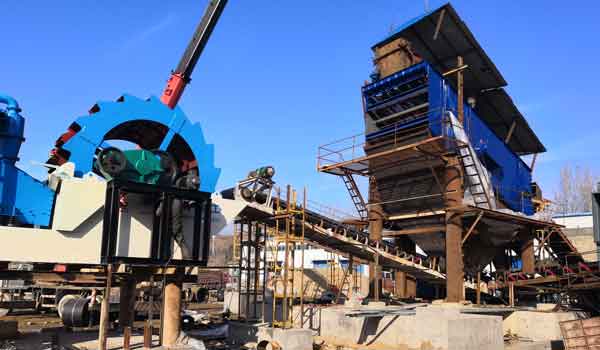
Circular vibrating screens are primarily driven by a motor that powers an eccentric mass vibrator to generate vibration. During this process, the shaft is the key component driving the screen’s vibration while simultaneously bearing significant stress. Consequently, shaft fracture is a relatively common failure mode in actual use. Once a shaft fracture occurs, the circular vibrating screen immediately ceases operation. Due to the complexity of its maintenance, high attention must be paid to preventing this issue.
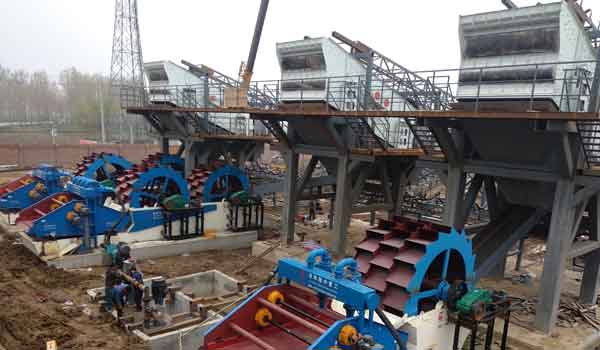
The shaft of a circular vibrating screen is made of metal and endures combined torque and repeated impact loads over extended periods during operation. Prolonged exposure to impact torque causes the internal structure of the shaft to gradually fatigue; once the fatigue limit is reached, fracture occurs. Furthermore, torsional strength varies significantly across different materials. Using substandard material inevitably results in lower bending strength and reduced fatigue resistance, making the shaft more susceptible to damage.
It is recommended that when purchasing a circular vibrating screen, you must choose a regular manufacturer to ensure that the selection of materials for each component is reasonable. At the same time, it is strictly forbidden to start the circular vibrating screen with materials to ensure that the circular vibrating screen is only started without materials. Strengthen daily maintenance and inspection, and check the shaft regularly. Once it is found to be bent or deformed, it must be replaced in time to avoid damage during the transmission process.
If the tension of the V-belt of the circular vibrating screen is too large, it will cause the shaft to increase the bending moment and the resultant moment. The stress during the belt work process will increase significantly, even exceeding the allowable stress of the shaft, which will directly cause the shaft to be damaged. Phenomenon. Therefore, it is necessary to adjust the tension of the V-belt in time. It is recommended to reduce the tension of the V-belt as much as possible under the premise of ensuring normal transmission. Of course, changing to a flexible connection can avoid this phenomenon.
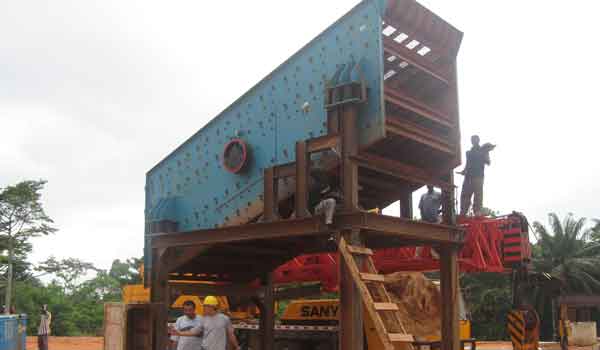
The circular vibrating screen primarily consists of a vibrator, screen box, support or suspension device, transmission system, and other components. A failure in the transmission system renders the equipment inoperable, significantly disrupting normal production operations. Moreover, repairing transmission failures in vibrating screens is often complex and challenging.
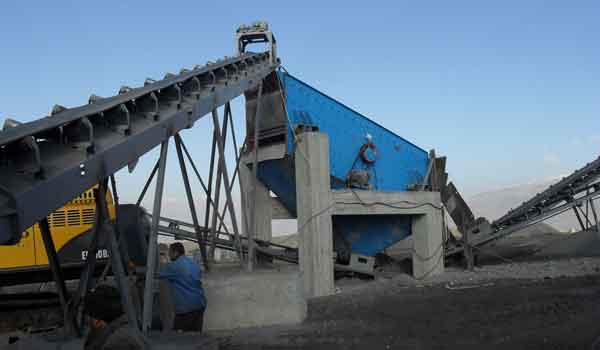
Common transmission failures in circular vibrating screens include coupling wear, connecting bolt fracture, protective cylinder cracking, belt pulley bearing damage, and belt tearing.
For this reason, operators of circular vibrating screens must perform regular preventive inspections on the transmission components. During these checks, pay particular attention to the longitudinal and lateral clearance of the bearings to ensure it meets specified requirements. Timely lubrication is also essential to prevent severe wear. Inspect bearing supports weekly and replenish lubricating oil as needed. Monitor the operation of the circular vibrating screen closely; if any abnormalities are detected, stop operations immediately and inspect the system to prevent major incidents.
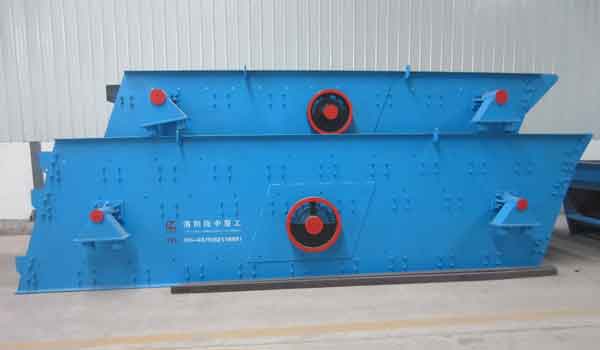
High bearing temperature is another common issue encountered during the use of circular vibrating screens. While elevated temperatures may not immediately impact production directly, prolonged exposure to excessive heat will inevitably shorten the service life of the bearings. Therefore, technicians must prioritize monitoring and addressing this condition.
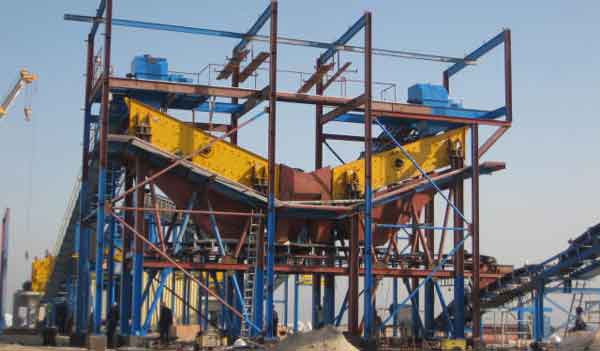
Prolonged operation inevitably generates heat, accelerating the volatilization of lubricating oil. This loss of lubrication increases friction, further raising temperatures. To enhance equipment efficiency, it is crucial to optimize operating schedules, avoid continuous long-term use, and promptly shut down the circular vibrating screen when not in active service.
Inadequate lubrication leads to a continuous rise in temperature. Regular bearing inspections are essential, with timely replenishment of lubricating oil to prevent overheating caused by insufficient lubrication.
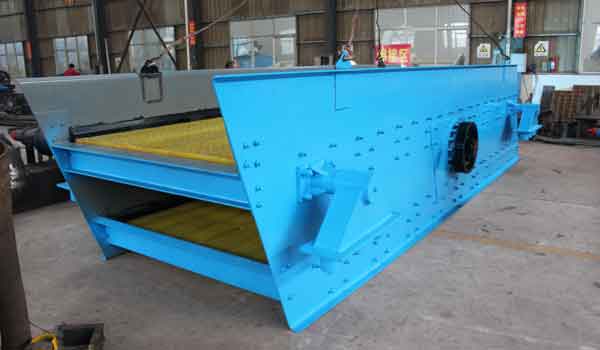
The above outlines the causes and solutions for three common failures encountered during the operation of circular vibrating screens. Should you face other complex issues during usage, please contact LZZG at any time. Our professional technical team is ready to provide expert assistance.
Please enter your inquiry and contact. We will reply you as soon as possible.
We are here for your questions anytime 24/7, welcome your consultation.
The latest sand washer price.
Installation and maintenance.
Screening
Sand Washing Machines
Sludge Treatment
Sand Recycling Machines
Address: Shuangyue Road, Changdai Town, Mengjin County, Luoyang, China
Email: export@lylzzg.com
Tel: +86-18736301510


 日本語
日本語 Русский
 中文
中文 Español
 Français
 Português
 العربية
 Tiếng Việt
 Deutsch
 한국어
한국어 Türkçe
 বাংলা
বাংলা हिन्दी
 Bahasa Melayu
 Kiswahili