
Date: Sep. 18, 2021
In the production of machine-made sand, href=”https://www.lzzgasia.com/products/sand-washing-machines” washed by the sand washing machine is cleaner and offers superior quality. Consequently, the sand washer has become a critical piece of equipment in artificial sand production lines. However, operational faults may occur during use. This article outlines common issues users might encounter with sand washers and provides corresponding solutions.
href=”https://www.lzzgasia.com/wp-content/uploads/17.jpg” src=”https://www.lzzgasia.com/wp-content/uploads/17.jpg”
Solution: During the sand washing process, first activate the flushing pipe before introducing the material. Maintain an optimal water flow rate to ensure thorough cleaning while preventing sand overflow from the trough. Feed materials uniformly and at a controlled pace; excessive speed can compromise sand quality.
Root Cause: Damage to the sand screen mesh or detachment of its fixing bolts.
Solution: Inspect the screen mesh for damage, then repair or replace it as necessary. Ensure all fixing bolts are securely tightened.
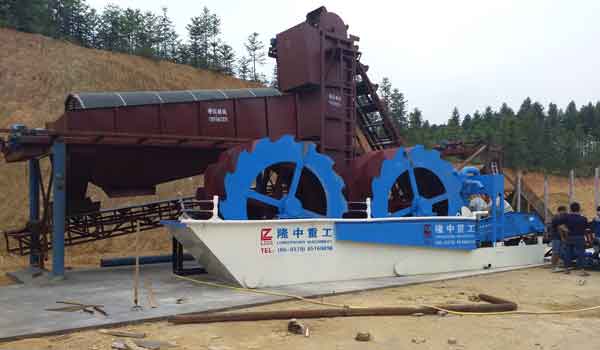
Root Cause: Contaminated grease or incorrect grease quantity.
Solution: Replace the grease. Ensure the amount is optimal—avoid over-greasing or under-greasing.
Root Cause: The spiral sand washer speed is too high, or the horizontal axis of the screw disc is not securely fixed.
Solution: Adjust the operating speed. If flipping persists after speed adjustment, secure the horizontal axis properly.
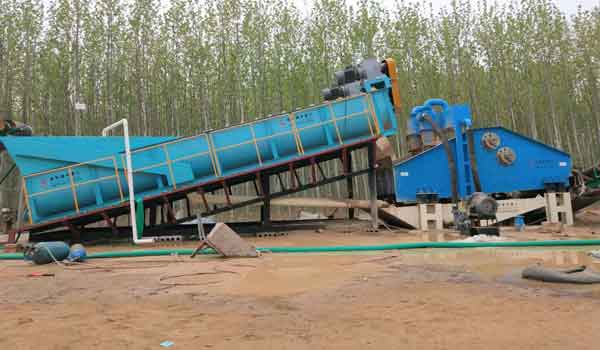
Root Cause: This is a common operational issue with sand washers. It typically occurs when the sand particles in the slurry are too fine, or when the feed rate increases suddenly, leading to material accumulation at the discharge port.
Solution: Immediately stop feeding and open all discharge ports to prevent further clogging. Clean the sand washer thoroughly with water before resuming operation.
Root Cause: Insufficient voltage, belt slippage, reducer malfunction, or motor damage.
Solution: Adjust the voltage supply or tighten the belt. Inspect the reducer, or replace the motor and restart operation.
Cause of failure: Insufficient lubrication or damage to the sealing ring. Long-term lack of maintenance and cleaning.
Solution: Re-lubricate or replace the sealing ring as needed. Perform regular cleaning.
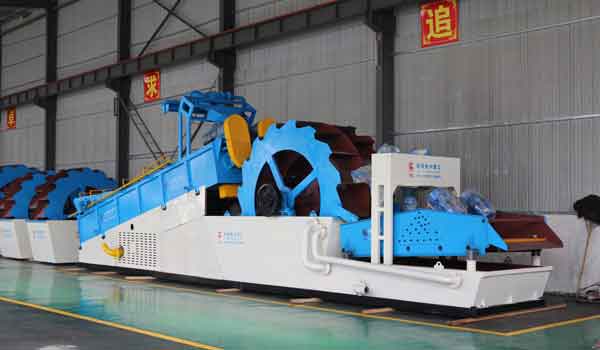
Regular maintenance reduces the failure rate of sand washing machines, ensures stable equipment operation, and extends service life.
1. The bearing is the most vulnerable component. Due to significant wear during operation, it requires regular maintenance and lubrication to prolong its lifespan.
2. Conduct inspections every two months of operation, and replace components immediately if severe wear is detected.
3. During daily use, monitor for abnormal noise; continuously observe the operation and condition of the screw shaft, V-belts, sealing devices, water pipes, and other components; check whether the motor and gearbox are overheating, and ensure all bolts are securely tightened.
4. Seasonal maintenance of sand washing equipment is also critical, primarily involving the replacement of engine oil, fuel, and antifreeze, as well as upgrading refrigeration facilities.
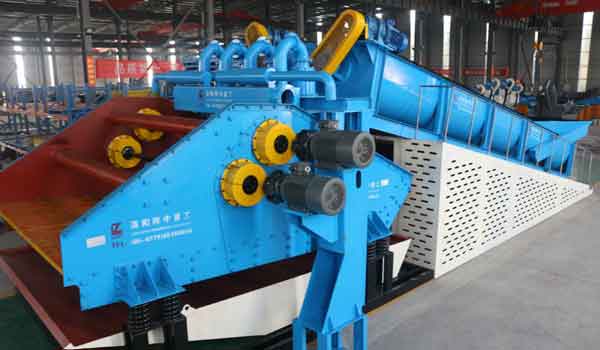
Choose LZZG for large-scale . Our manufacturer offers robust after-sales support, exceptional product services, and competitively priced equipment. We provide precise production calculations to maximize the cost-effectiveness of your purchase. For detailed quotation information, please contact our online customer service team.
Please enter your inquiry and contact. We will reply you as soon as possible.
We are here for your questions anytime 24/7, welcome your consultation.
The latest sand washer price.
Installation and maintenance.
Screening
Sand Washing Machines
Sludge Treatment
Sand Recycling Machines
Address: Shuangyue Road, Changdai Town, Mengjin County, Luoyang, China
Email: export@lylzzg.com
Tel: +86-18736301510


 日本語
日本語 Русский
 中文
中文 Español
 Français
 Português
 العربية
 Tiếng Việt
 Deutsch
 한국어
한국어 Türkçe
 বাংলা
বাংলা हिन्दी
 Bahasa Melayu
 Kiswahili