
Date: Dec. 10, 2021
The sludge thickener is primarily designed for sludge with a concentration of 1% or less, aiming to increase its solid content—i.e., the sludge concentration. After processing through the sludge thickener, the discharge concentration exceeds 3%. This facilitates subsequent mechanical dewatering, thereby enhancing operational efficiency and optimizing the performance of mechanical dewatering equipment. How should sludge gravity thickeners be managed? Many customers seek clarity on this issue. This article provides a detailed analysis.
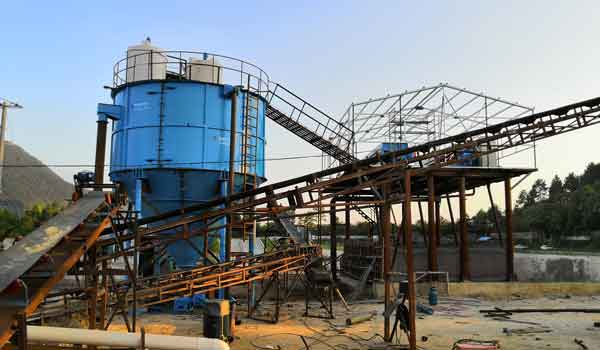
1. Scum in the thickening tank must be removed promptly. Use the scum scraper to transfer the scum into the scum collection tank for disposal. In the absence of a scum scraper, a water flushing method can be employed to wash the scum toward the edge of the pool for removal.
2. When mixing and concentrating primary sedimentation tank sludge with activated sludge, ensure uniform blending of the two sludge types. Prevent uneven entry into the thickening tank, as density-driven flows can disturb the sludge layer and compromise thickening efficiency.
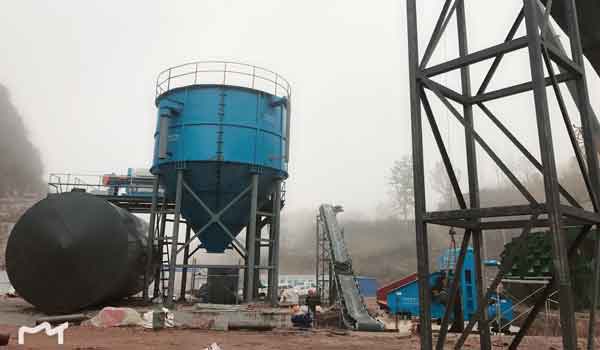
3. If the thickening tank has not been discharged for an extended period, it must be emptied first; do not start the directly.
4. In northern regions with harsh winters, small concentration tanks in some sewage treatment plants are prone to freezing. Break any ice before starting the equipment. It is best to keep the mud scraping bridge running continuously to prevent freezing.
5. Regularly check whether the supernatant overflow weir effluent is uniform. If unevenness is detected, adjust promptly to prevent short-circuiting within the flow pattern of the thickening tank.
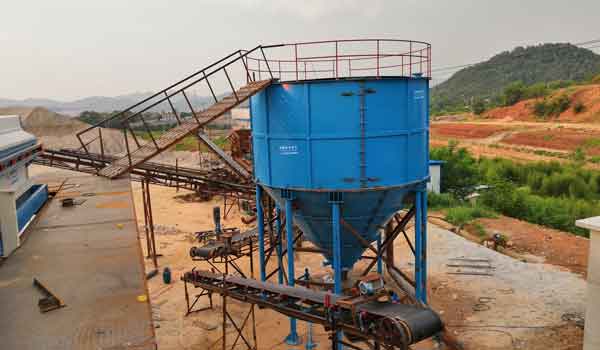
6. The thickening tank is a treatment facility with significant odor issues, and its surface is constantly exposed to odorous and corrosive gases. Frequently inspect equipment for corrosion, particularly in areas such as electric control cabinets and junction boxes, to avoid failures caused by corrosion. Daily patrols of the thickening tank should also be conducted, with regular cleaning of the pool wall, scum trough, water outlet weir, and water collection pipe entrance.
7. The tank should be drained regularly (at least once a year). During this process, thoroughly inspect the pool bottom for sand or mud accumulation and check whether the submerged components of the sludge scraper bridge are entangled with cotton yarn, plastic ropes, or other debris that could impede its operation. Perform comprehensive maintenance as needed.
Please enter your inquiry and contact. We will reply you as soon as possible.
We are here for your questions anytime 24/7, welcome your consultation.
The latest sand washer price.
Installation and maintenance.
Screening
Sand Washing Machines
Sludge Treatment
Sand Recycling Machines
Address: Shuangyue Road, Changdai Town, Mengjin County, Luoyang, China
Email: export@lylzzg.com
Tel: +86-18736301510


 日本語
日本語 Русский
 中文
中文 Español
 Français
 Português
 العربية
 Tiếng Việt
 Deutsch
 한국어
한국어 Türkçe
 বাংলা
বাংলা हिन्दी
 Bahasa Melayu
 Kiswahili