
Date: Jan. 04, 2021
As a resource-dependent sector within the building materials industry, the silica sand washing process is critical to the future development of the industry. Therefore, addressing environmental challenges is urgent. The silica sand washing process primarily generates pollution issues such as dust, noise, and wastewater; relevant discussions on these topics are essential to promote the green development of the machine-made sand industry.
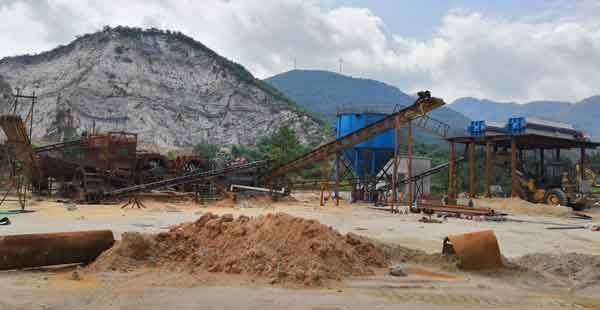
In the silica sand washing process, dust control mainly involves two methods: dust suppression and dust removal. During the production of sand and gravel aggregates, dust is primarily categorized into organized dust and unorganized dust.
Organized dust is mainly generated during the silica sand washing, crushing, screening, and transportation processes. For the treatment of organized dust, dust suppression should be prioritized. Through optimized design, dust generation during production can be reduced, effectively lowering the subsequent dust treatment load, saving investment costs, and improving efficiency.
At the connection between each process, select appropriate discharge pipes and inclination angles to minimize drop height at the discharge point and reduce impact on equipment.
Belt conveyors should be enclosed to prevent dust leakage, and conveyor speeds should be properly controlled to minimize dust generation. Additionally, install efficient suction and dust collection devices at each unloading point.
Spray humidification of aggregates on vibrating screens can reduce secondary dust pollution, ensuring organized dust emissions remain below the 20mg/m³ standard.
The crushing workshop should be sealed and isolated to prevent dust leakage. During the process, install dust collection equipment above the workshop to exhaust dust.
Unorganized dust primarily arises during mining, shed storage, and finished product shipment. Due to the large spatial areas involved, ventilation and dust removal methods are not suitable; therefore, other effective dust control measures must be adopted.
For mine dust treatment in the process, use advanced blasting technology to reduce fine ore rates and dust dispersion heights. Simultaneously, employ spray systems to wet blasting areas and implement post-mining greening initiatives to achieve true green mining standards.
The storage shed features a fully enclosed design, equipped with overhead spray humidification and dust suppression systems to effectively minimize airborne particulates. Dust generated during the shipment of finished products often stems from incomplete separation of stone powder and aggregate during production; residual stone powder adhering to the aggregate surface can cause pollution during transport. To mitigate this in the , the finished aggregate undergoes screening and washing using a wet processing method. This approach not only eliminates dust issues during transportation but also removes surface contaminants such as stone powder and mud, thereby enhancing overall product quality.
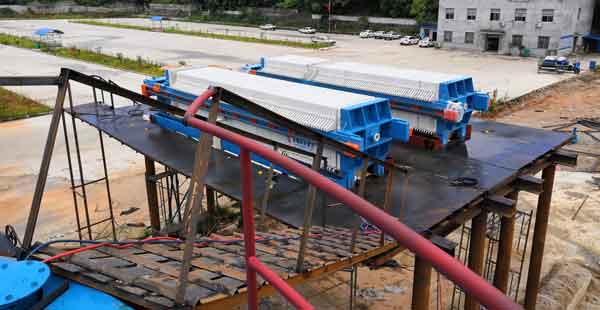
In the , primary noise sources within the plant area include the crushing and screening workshops for machine-made sand and gravel aggregates, as well as dust collection fans. Effective noise pollution control requires managing both the sound sources and their transmission paths.
First, prioritize upgrading obsolete machinery by adopting advanced, low-noise technologies—such as replacing metal screens with polyurethane alternatives, installing mufflers and sound insulation covers, or minimizing fan vibration—to address noise at its source. Second, ensure workshop areas are fully enclosed and soundproofed wherever possible, while implementing landscaping around the plant to help block noise propagation. For employees working within these facilities, strict labor protection measures must be enforced, including the use of earplugs and earmuffs, to safeguard occupational health.
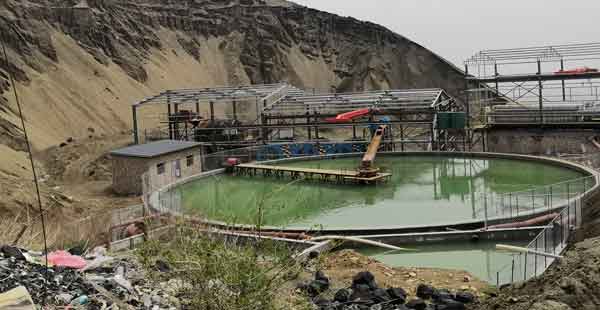
In the silica sand washing process, there are two main types of sand and gravel aggregate production lines: dry and wet. Although dry processing generates no wastewater, controlling dust pollution remains challenging, and it is impossible to remove stone powder and mud powder adhering to the surface of the finished aggregate, which compromises product quality. As a high-quality sand and gravel aggregate production line, it is essential to address the issue of stone powder and mud powder on the product surface to enhance overall quality. Therefore, screening and washing are required, though this also results in wastewater generation.
In the silica sand washing process, traditional wastewater treatment for sand and gravel aggregates primarily relies on natural sedimentation or flocculation sedimentation. Most of the settled mud is processed using natural dehydration methods. This approach is time-consuming and heavily dependent on weather conditions. During flood seasons, if sedimentation tanks are not managed promptly, wastewater may overflow into surrounding water bodies, causing environmental pollution. Therefore, a new process with a higher degree of automation is required.
First, wastewater undergoes pretreatment using high-efficiency cyclones and dewatering screens to rapidly separate larger sand particles for recycling. The pretreated wastewater then enters a thickener for concentration, bringing the slurry to a specific density. A combined technology utilizing radial-flow sedimentation tanks, belt filter presses, and ceramic filters is employed for mechanical dewatering to separate the sedimented slurry. This method is fast, efficient, highly automated, space-saving, and reduces operating costs. It facilitates convenient collection and centralized treatment of mud, preventing secondary dust pollution associated with natural air drying. Treated wastewater is recycled to achieve “zero” discharge of industrial water.
Compared with previous processes, this wastewater treatment process can improve the automation level, shorten the dehydration time, and enable the wastewater treatment to be continuously and efficiently performed in the silica sand washing process.
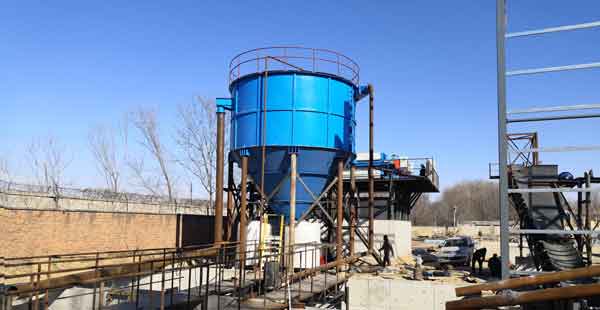
Amid stringent environmental regulations, equipment manufacturers have introduced intensive, eco-friendly machinery for manufactured sand production. Sand and gravel enterprises should select efficient and reliable processing solutions based on current technological capabilities to foster the healthy development of the silica sand washing process within the sand and aggregate industry.
Please enter your inquiry and contact. We will reply you as soon as possible.
We are here for your questions anytime 24/7, welcome your consultation.
The latest sand washer price.
Installation and maintenance.
Screening
Sand Washing Machines
Sludge Treatment
Sand Recycling Machines
Address: Shuangyue Road, Changdai Town, Mengjin County, Luoyang, China
Email: export@lylzzg.com
Tel: +86-18736301510


 日本語
日本語 Русский
 中文
中文 Español
 Français
 Português
 العربية
 Tiếng Việt
 Deutsch
 한국어
한국어 Türkçe
 বাংলা
বাংলা हिन्दी
 Bahasa Melayu
 Kiswahili