
Answer: First, determine the solid content of the wastewater. Solid content refers to the proportion of solids present in the wastewater. Additionally, you need to establish the daily volume of wastewater generated and the required working hours. Based on these factors, calculate the necessary processing capacity for the filter press, which then allows you to specify the appropriate chamber volume and filtration area. This approach ensures the easy selection of a suitable filter press.
Taking a plate-and-frame filter press as an example: if it processes 100 cubic meters of wastewater per hour with a solid content of 8%, a filter press with a chamber volume of 8 cubic meters is required. A model with a filtration area of approximately 500 square meters can be selected.
Answer: The filter press achieves solid-liquid separation of sludge. Typically, the moisture content of sludge entering the filter press exceeds 90%. After treatment, the moisture content of the discharged filter cake can be reduced to between 30% and 60%, allowing for direct shipment. Depending on the specific material characteristics, adding an appropriate flocculant before the sludge enters the filter press helps cohere solid particles. This process accelerates filtration speed and enhances overall filtration efficiency.
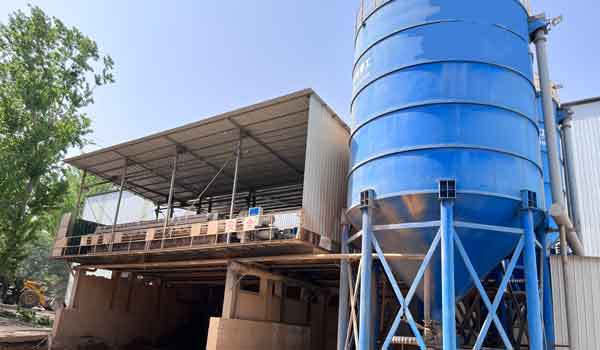
Answer: Start the hydraulic station before filtration, and push the pressure plate to press the filter plate by the oil cylinder. After the pressure reaches the rated value, the hydraulic station will stop automatically, and then start the mud pump to transport the material to the filter press. The mud enters the filter chamber composed of the adjacent filter plates through the feed hole. Under the action of pressure, the solid particles are intercepted by the filter cloth in the filter chamber to form a filter cake with low moisture content, and the filtrate passes through the medium and is discharged from the filter plate. outside.
Answer: The service life of the filter cloth is generally 3-6 months. To ensure the filtering effect and prolong the service life of the filter cloth, when the filter cloth is not used for a long time, the filter cloth should be cleaned, dried, and stored in a dry place, and the folding should be avoided as much as possible. When the filter press is used frequently, if the filter cloth is found to be damaged, it should be replaced in time.
Answer: Filter cloth, fa
ucet, and sealing ring are relatively common wearing parts, which can be replaced in time according to the usage.
Answer: There are three ways. First, remove the filter cloth from the filter plate, soak it in water and gently brush off the sundries on the surface with a brush. Second, use a high-pressure water gun to clean the filter cloth. Third, use the automatic cleaning device dedicated to the filter press to clean the filter cloth.
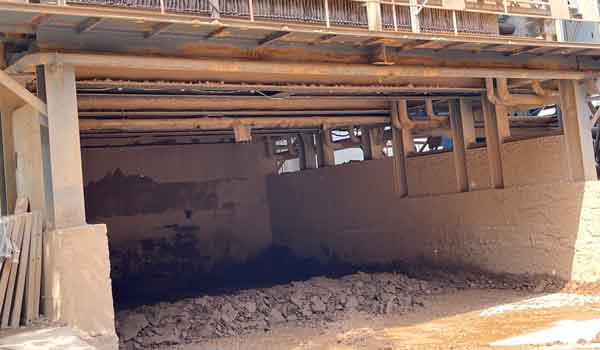
Answer: (1) The newly purchased filter press can only work after it has been debugged by professional technicians.
(2) Check the filter cloth and filter plate before starting the operation. The filter cloth should avoid folding, and the filter plate should be complete and flawless. It is forbidden to start the machine when the number of filter plates is less than the specified number.
(3) The filtration pressure should be guaranteed to be within the specified range, and the material concentration should be uniform, to achieve a better filtration effect.
(4) After the work is completed, the feed pump must be turned off before the filter plate can be depressurized and unloaded by pulling the plate.
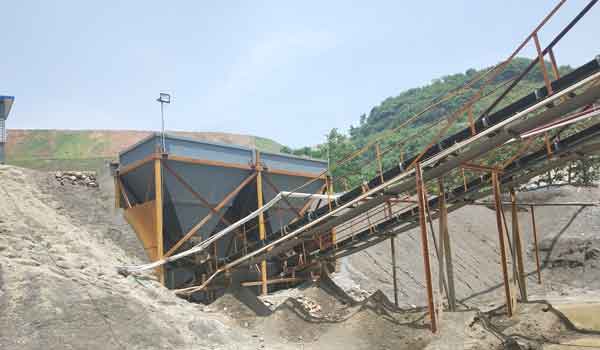
Answer: (1) The installation position of the distributor is too high, and the position of the distributor cannot be adjusted.
(2) The distributor is partially blocked, resulting in the uneven spread of the cloth, and the blockage needs to be removed.
(3) Severe localized wear on the significantly reduces the dewatering efficiency of the sludge in that area. Even after entering the pressing zone, the sludge retains high fluidity, necessitating timely replacement of the damaged .
(4) Uneven, wavy wear on the reverse causes inconsistent mud thickness across the area, requiring replacement.
If you have any questions about filter presses not covered here, please leave a message for consultation!
Previous:Common Fault Analysis and Treatment Methods of Sand Making Machine
Next:none
Please enter your inquiry and contact. We will reply you as soon as possible.
We are here for your questions anytime 24/7, welcome your consultation.
The latest sand washer price.
Installation and maintenance.
Screening
Sand Washing Machines
Sludge Treatment
Sand Recycling Machines
Address: Shuangyue Road, Changdai Town, Mengjin County, Luoyang, China
Email: export@lylzzg.com
Tel: +86-18736301510


 日本語
 Русский
 中文
 Español
 Français
 Português
 العربية
 Tiếng Việt
 Deutsch
 한국어
 Türkçe
 বাংলা
 हिन्दी
 Bahasa Melayu
 Kiswahili