
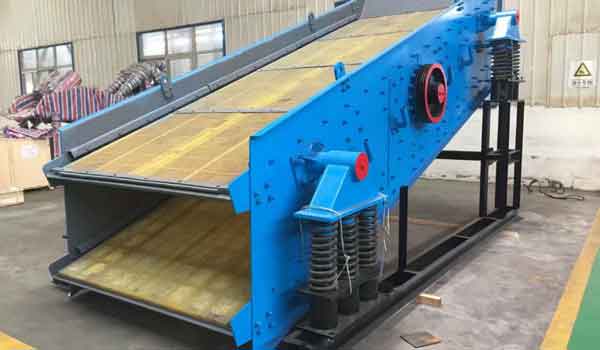
Different Types Of Shaker Vibrator Screen Equipment
Date: May. 24, 2021
Shaker vibrator dewatering screens are widely used in gravel yards, coal mines, concentrators, and similar facilities. Their primary functions include dehydration and desliming. Due to these specific applications, they are also referred to as sand dewatering screens or slime dewatering screens. Shaker vibrator dewatering screens can be categorized into three main types: double-layer dewatering screens, high-frequency vibrating dewatering screens, and circular vibrating screens. Longzhong will compare the similarities and differences among these three types of dewatering screens for you. 1. Main Classification Double Vibrator Dewatering Screen This equipment is an upgraded version of the linear dewatering screen. The double-layer dewatering screen is designed based on the production requirements of sand and gravel aggregate lines. It adopts a double-layer screen structure to enhance screening efficiency as well as the effectiveness of screening and dewatering. This design enables the simultaneous processing of medium and fine materials, thereby improving the precision of fine sand recovery. High-Frequency Vibration Dewatering Screen Primarily composed of the screen mesh, frame, plate, and vibrating motor. Due to its simple structure, ease of operation, and low energy consumption, this equipment is widely utilized in dewatering screens, making it a preferred choice among users. Circular Vibrating Screen Functioning as both screening and feeding equipment, the circular vibrating screen is ideal for material classification in quarry operations. However, it is not suitable for dewatering tasks; instead, it serves as a dry sand vibrating screen. 2. Similarities and Differences 1. For applications with high dehydration requirements, a double-layer shaker dewatering screen is the more appropriate solution. 2. The high-frequency shaker vibrating dewatering screen features a simple structure and easy operation, offering versatility across various scenarios. 3. The circular vibrating screen is ideal…
Date: May. 20, 2021
The attrition scrubber, as commonly understood by users, is a high-concentration, powerful stirring device designed to scrub material surfaces, thereby facilitating reactions in subsequent processing stages. Proper operation and maintenance of the scrubber are critical for ensuring the purification accuracy of downstream beneficiation processes. The working principle of the attrition scrubber enhances flotation mineralization and recovery, ultimately increasing the overall recovery rate of the beneficiation operation. This scrubbing effect is particularly significant when handling high-concentration pulp. How the Attrition Scrubber Works Ore pulp enters the scrubber chamber via the feed pipe, where intense agitation from the impeller creates vigorous turbulence within the slurry. Mineral particles gain substantial momentum, resulting in violent friction and collisions between them. Since the impurity films coating the surface of mineral grains are relatively weak, they are easily detached through this mechanical action. The cement on the mineral surface loosens and disintegrates after being soaked in water, followed by strong friction and collision between mineral particles, achieving separation of clay from mineral particles. These film impurities and clay are broken down and peeled off into the slurry, which can then be separated during subsequent desliming. In actual production processes, different agents should be added based on…
Date: May. 13, 2021
The belt filter press is primarily composed of a distribution device, dehydration device, automatic dosing system, air compressor, and an electro-pneumatic control system. During operation, improper coordination among these components can easily lead to malfunctions. Common issues include the filter belt in Sri Lanka carrying mud and low solid content in the mud cake. Below is an analysis of the causes and solutions for these two problems. Sludge Overflow on the Filter Belt When the moisture content of the sludge to be dewatered is excessively high, sludge may overflow from both sides of the filter during operation. This occurs because liquid slurry exhibits high fluidity during the transition from a liquid to a semi-solid state, causing it to spill over the edges of the rollers. The common causes of sludge overflow on the filter belt are as follows: 1. Inadequate Sludge Flocculation Poor flocculation prevents capillary water from converting into free water and being removed in the gravity drainage zone. Consequently, fluid sludge can easily escape once it enters the squeezing zone and undergoes compression. To address this issue, an appropriate dosage of PAM solution should be added based on the sludge's flocculation characteristics and the target moisture content of…
Date: May. 07, 2021
The sand-making machine is an indispensable piece of equipment in the sand and gravel industry. Raw materials such as pebbles must be processed through a sand-making machine to produce qualified sand. Many customers are unclear about the operational precautions for these machines. This article provides essential guidelines on the safe and effective use of sand-making machines. 1. The normal operating temperature range for the bearing box of a sand-making machine is 40℃~60℃, with a maximum allowable limit of 70℃. If the temperature exceeds 70℃ after half an hour of operation, it indicates potential issues with the bearing box, requiring immediate shutdown for maintenance. 2. During loaded operation, ensure that the feed particle size does not exceed the maximum particle size specified by the equipment. 3. During the initial feeding of the sand-making machine, an unbalanced process lasting approximately 30–60 seconds typically occurs. In this case, do not stop the feed; instead, increase the feeding rate as much as possible until the vibration subsides. When large feed particles are present, intermittent vibrations may occur, returning to normal within a few seconds. This is a normal phenomenon caused by material accumulation followed by clearance once the rotor’s ejection head retains stones and…
Date: May. 04, 2021
1. Bearing Overheating Under normal conditions, the silica sand sieve undergoes a 4-hour no-load test run, during which the bearing temperature should remain between 35°C and 60°C. If the bearing temperature exceeds this range during testing, the following causes may be responsible: 1) Insufficient Bearing Radial Clearance Since the bearings on the silica sand sieve support heavy loads at high frequencies with constantly varying forces, they require generous radial clearance to operate effectively. 2) Overly Tight Bearing Gland A specific gap must exist between the gland of the silica sand sieve and the outer ring of the bearing to ensure proper heat dissipation and allow for necessary axial movement. This gap can be adjusted using gaskets placed between the end cover and the bearing seat. 3) Lubrication Issues The bearing may suffer from insufficient or excessive oil, contamination, or inconsistent oil quality. In such cases, it is essential to replenish oil, clean the components, replace the oil and seals, and verify both oil quality and filling levels. Regular inspections should also check for signs of bearing wear. 2. Abnormal Noise During Silica Sand Sieve Operation 1) Damaged Springs Damaged springs generate significant noise. Replace the springs promptly to prevent production…
We are here for your questions anytime 24/7, welcome your consultation.
The latest sand washer price.
Installation and maintenance.
Screening
Sand Washing Machines
Sludge Treatment
Sand Recycling Machines
Address: Shuangyue Road, Changdai Town, Mengjin County, Luoyang, China
Email: export@lylzzg.com
Tel: +86-18736301510


 日本語
 Русский
 中文
 Español
 Français
 Português
 العربية
 Tiếng Việt
 Deutsch
 한국어
 Türkçe
 বাংলা
 हिन्दी
 Bahasa Melayu
 Kiswahili