
Washed sand is raw sand intended for foundry use, processed from natural silica sand through washing and grading, with a mud content (mass fraction) of ≤ 1.0%. River sand primarily consists of floodplain sedimentary deposits, exhibiting a grayish-yellow appearance and containing medium-fine sand, medium-coarse sand, coarse sand, gravel layers, and pebbles. Its distribution follows the riverbed orientation, with surface layers sloping from the riverbank toward the riverbed and from upstream to downstream. The apparent density of river sand is 2580kg/m³, the bulk density is 1569kg/m³, and the fineness modulus is 2.89, classifying it as medium sand. With a mud content of 1.34%, hard texture, and clear color, it serves as an excellent building material.
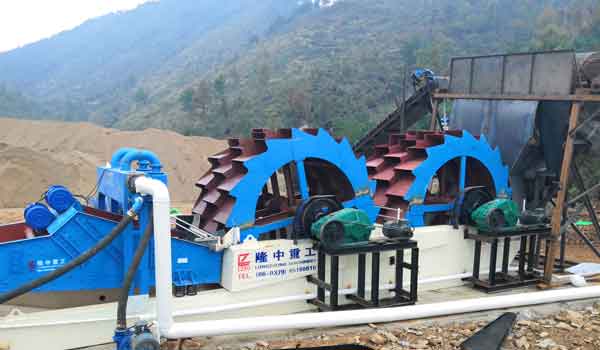
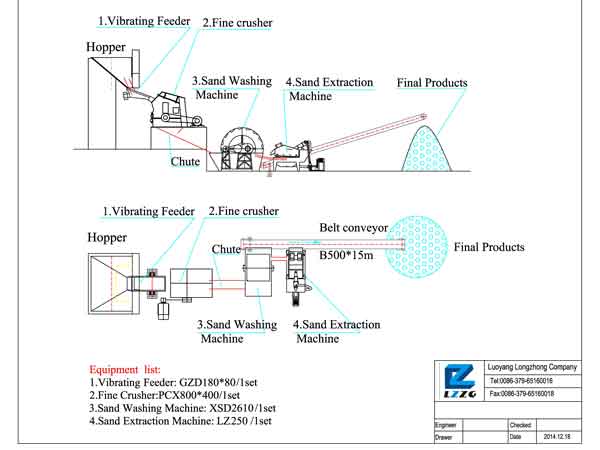
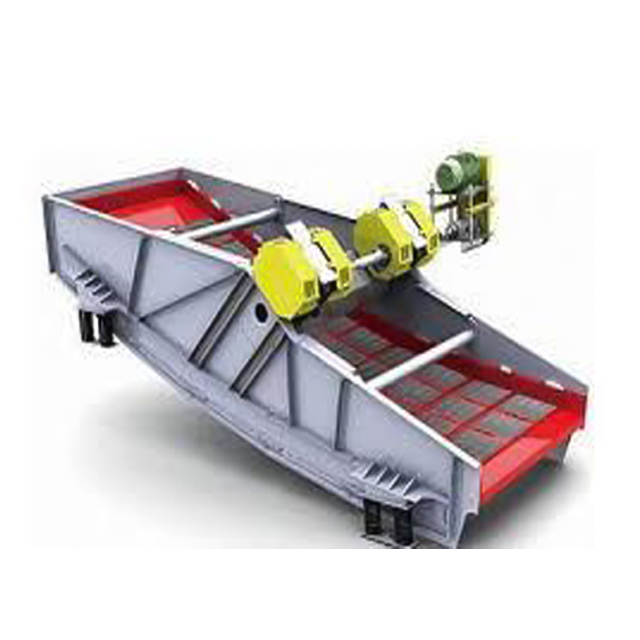
The production line includes a silo, vibrating feeder, crusher, sand washing machine, fine sand recovery machine, vibrating screen, and other auxiliary equipment.
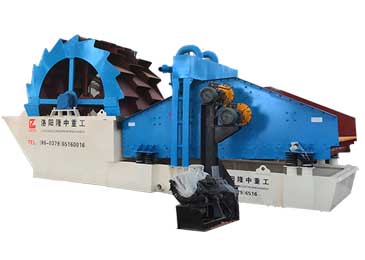
In this sand washing process, the primary equipment utilized is the wheel sand washing machine. The wheel sand washing machine is also cal
led an impeller sand washing machine. This bucket-type is designed to work in conjunction with a as part of a complete mechanism. It serves as critical equipment for washing both manufactured and natural sand, effectively removing residual stone powder and impurities from the mixed sand produced by the crushing process, thereby enhancing overall sand quality. Developed using advanced technology tailored to the specific needs of the aggregate industry, this is primarily utilized for washing, classifying, and dewatering applications across construction sites, sand and gravel plants, hydropower station concrete precast facilities, glass manufacturing plants, and oil well backfill pressure sand operations.
Sand Washing Process of the Wheel Sand Washer
Inside the bucket washer, the rotating auger continuously stirs, kneads, collides, and creates friction among the sand particles. This mechanical action breaks down the water vapor layer covering the sand grains and strips away surface impurities. Subsequently, the auger pushes the cleaned sand toward the discharge end of the machine. To ensure thorough cleaning and achieve mud content levels compliant with national standards, manufacturers often employ two series-connected bucket washers. This configuration allows for extended mixing, rubbing, and friction-based cleaning cycles. The water vapor layer on the sand surface, after being processed by the two bucket sa
nd washing machines has been destroyed, and most of it has been discharged with the sewage.
Please enter your inquiry and contact. We will reply you as soon as possible.
We are here for your questions anytime 24/7, welcome your consultation.
The latest sand washer price.
Installation and maintenance.
Screening
Sand Washing Machines
Sludge Treatment
Sand Recycling Machines
Address: Shuangyue Road, Changdai Town, Mengjin County, Luoyang, China
Email: export@lylzzg.com
Tel: +86-18736301510


 日本語
 Русский
 中文
 Español
 Français
 Português
 العربية
 Tiếng Việt
 Deutsch
 한국어
 Türkçe
 বাংলা
 हिन्दी
 Bahasa Melayu
 Kiswahili