
The vibrating screen is a critical auxiliary piece of equipment in sand production. A failure can directly disrupt the normal operation of the entire production line. This article provides an analysis of several common faults.

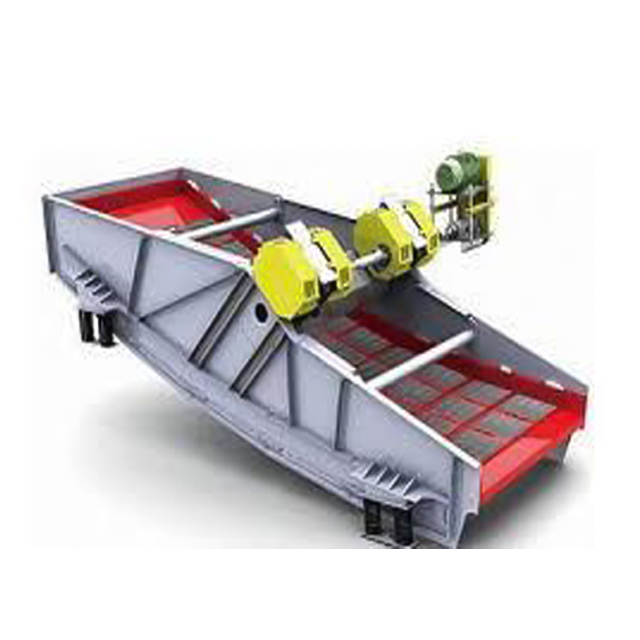
Typically, circular vibrating screens are driven by a motor that powers a vibrator with an eccentric mass to generate vibration. During this process, the shaft serves as the key component driving the screen’s motion while simultaneously bearing significant stress. Consequently, shaft fracture is a relatively common issue in actual operations. Once a shaft fracture occurs, the circular vibrating screen will immediately cease functioning. Repairing this fault is complex, requiring strict attention and preventive measures.
Reason
Long-term metal fatigue or inferior shaft material quality. The shaft of a circular vibrating screen is made of metal. Under prolonged exposure to impact torque, the internal structure of the shaft gradually fatigues. When the fatigue limit is reached, a fracture occurs.
Measures
We recommend that when purchasing a circular vibrating screen, you choose a reputable manufacturer to ensure the components are properly selected. At the same time, it is strictly prohibited to start the circular vibrating screen under load; always ensure it is started without material. Strengthen daily maintenance and inspection, and regularly check the shaft.

The vibrating screen is primarily composed of a vibrator, screen box, support or suspension device, transmission device, and other components. Once a transmission failure occurs, the circular vibrating screen becomes unusable, seriously affecting normal production.
Reason
Common drive failures in circular vibrating screens include coupling wear, broken connecting bolts, cracked protective cylinders, damage to belt pulley bearings, and belt tears.
Measures
Operators of circular vibrating screens must perform regular preventive inspections on the transmission components. During these checks, special attention should be paid to the longitudinal and lateral clearance of the bearings to ensure they meet specified requirements. Timely lubrication is also essential to prevent severe wear.

Excessively high bearing temperatures are another common issue encountered during the operation of circular vibrating screens. While elevated temperatures may not immediately disrupt production, sustained overheating will inevitably shorten the service life of the bearings, resulting in significant impact.
Causes
Extended operating hours of the circular vibrating screen generate heat, which accelerates the volatilization of lubricating oil. This loss of lubricant increases friction, further raising the temperature.
Solutions
The operating schedule of the circular vibrating screen must be rationally arranged to enhance equipment efficiency, prevent prolonged continuous operation, and ensure timely shutdown when the screen is not in use.

Key factors influencing screen surface aging include its structure, material composition, and tension. Currently, most circular vibrating screens utilize polyurethane screen surfaces, which feature a polyurethane coating applied over the base mesh.
Reasons
Polyurethane inherently possesses limited anti-aging properties. Additionally, improper installation—specifically failing to adequately tighten the screen surface during setup—accelerates the aging process.
Measures
Select high-quality screen surfaces. During installation, ensure the screen surface is tightened as much as possible. Promptly replace any aged or unusable screen surfaces to prevent more serious operational issues.
Previous:none
Please enter your inquiry and contact. We will reply you as soon as possible.
We are here for your questions anytime 24/7, welcome your consultation.
The latest sand washer price.
Installation and maintenance.
Screening
Sand Washing Machines
Sludge Treatment
Sand Recycling Machines
Address: Shuangyue Road, Changdai Town, Mengjin County, Luoyang, China
Email: export@lylzzg.com
Tel: +86-18736301510


 日本語
 Русский
 中文
 Español
 Français
 Português
 العربية
 Tiếng Việt
 Deutsch
 한국어
 Türkçe
 বাংলা
 हिन्दी
 Bahasa Melayu
 Kiswahili