
Date: Aug. 07, 2021
The water consumption of a represents a significant operational cost for users. This consumption is influenced by the quality of the , the type of material processed, the equipment configuration, and the operating methods employed. To reduce water usage in operations, consider the following aspects.
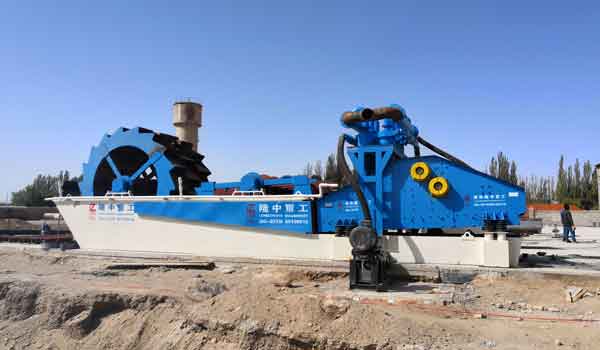
The manual for a reputable will specify details such as materials, model numbers, product names, implementation standards, application scope, technical parameters, performance metrics, and maintenance requirements. If these critical details are missing from the manual upon purchase, you should question the authenticity and quality of the product.
A high-quality exhibits superior craftsmanship. During procurement, carefully check for signs of impact damage, peeling paint, structural defects, or refurbishment. Ensure that welding seams are flat and uniform, and examine the equipment thoroughly from multiple angles and detailed perspectives.
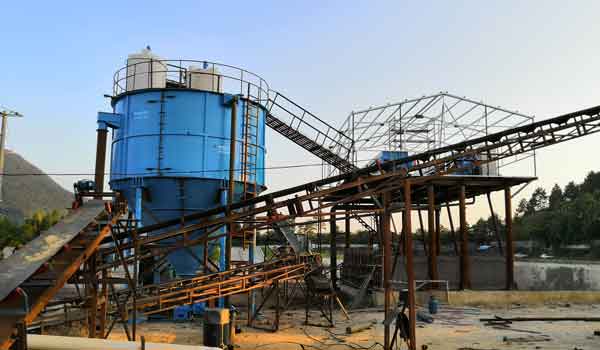
Seeing is believing. To gain a deeper understanding of the quality of the sand washing machine, we recommend visiting an active operation site. On-site inspection allows you to assess the equipment’s performance and build quality more intuitively.
The nameplate serves as another key indicator of the sand washer’s quality. It displays essential details such as the equipment name, model number, and technical parameters. Furthermore, the condition of the nameplate can help determine if the unit is refurbished second-hand equipment, as nameplates on used machines often show signs of wear.
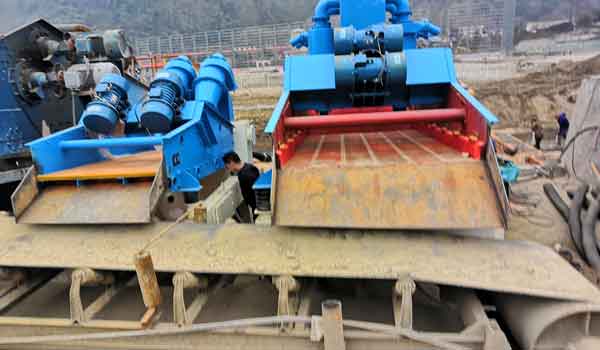
Select the appropriate model of sand washer based on the specific characteristics of your sand and gravel aggregates. For materials with high mud and powder content, a three-in-one sand washer is recommended for efficient cleaning, preventing water waste caused by improper equipment selection.
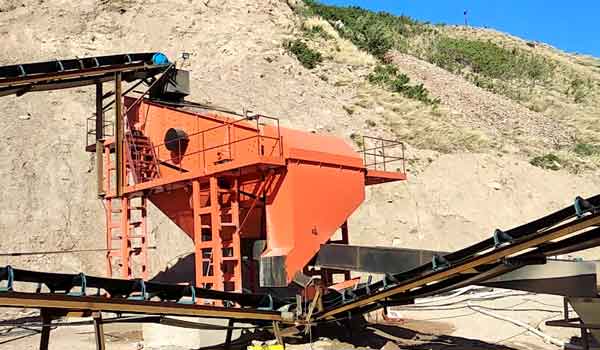
Different types of sand washing machines have varying water consumption rates. If you require higher output, consider selecting a spiral sand washer; for lower output requirements, a wheel-type sand washer may be more suitable, depending on your specific operational needs. Sand washing equipment must be operated strictly in accordance with the prescribed operating procedures. Before starting the sand washing machine, inspect all components to ensure they are securely fastened. Should any malfunction occur during operation, immediately shut down the equipment and conduct a thorough inspection. After use, regular cleaning and maintenance of the sand washer are essential to sustain efficient performance.
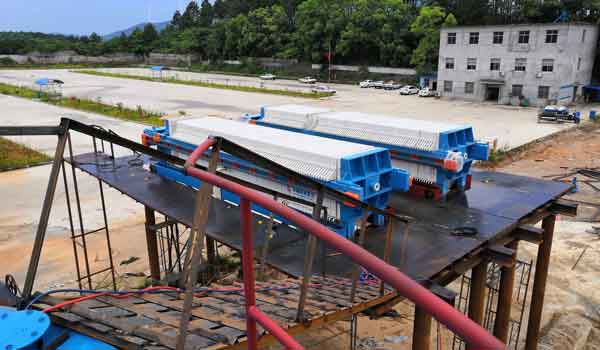
LZZG is an international enterprise specializing in the R&D, production, and sales of environmentally friendly sand washing equipment and sewage sludge treatment solutions. We have independently developed and manufactured a comprehensive product line, including integrated sand washing and recycling machines, zero discharge systems, fine sand recovery units, dewatering screens, dry tailings processing systems, trihydrogen filters, filter presses, and more. These products are widely applied across industries such as mining, metallurgy, construction, chemicals, power generation, and steel. Since our inception, LZZG has rapidly secured a strong global presence through reliable product quality and comprehensive after-sales support. Our equipment is exported to Europe, Australia, North America, South Africa, Southeast Asia, the Middle East, Central Asia, Africa, and other regions worldwide. Contact us today to learn more.
Please enter your inquiry and contact. We will reply you as soon as possible.
We are here for your questions anytime 24/7, welcome your consultation.
The latest sand washer price.
Installation and maintenance.
Screening
Sand Washing Machines
Sludge Treatment
Sand Recycling Machines
Address: Shuangyue Road, Changdai Town, Mengjin County, Luoyang, China
Email: export@lylzzg.com
Tel: +86-18736301510


 日本語
日本語 Русский
 中文
中文 Español
 Français
 Português
 العربية
 Tiếng Việt
 Deutsch
 한국어
한국어 Türkçe
 বাংলা
বাংলা हिन्दी
 Bahasa Melayu
 Kiswahili