
Date: Jan. 07, 2022
The equipment in a machine-made sand production line primarily includes crushers, sand-making machines, vibrating feeders, vibrating screens or drum screens, sand washing machines, fine sand recovery machines, belt conveyors, filter presses, and other auxiliary systems. Designing a rational and efficient not only ensures smooth operation of the equipment but also helps conserve resources and reduce operational costs. This article shares 8 key design principles for building a reasonable and efficient machine-made sand production line.
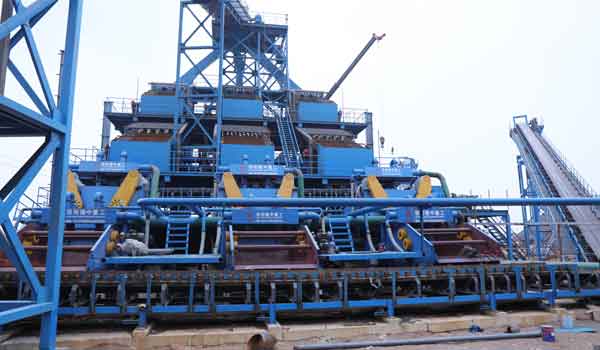
1. Determine an optimal location for primary crushing based on the quality of existing or newly acquired mine resources. Consider long-term planned mining life and position the gravel plant close to the quarry to minimize raw material transportation distances. If the quarry is far from the main end-user, arrange the primary crusher at the quarry site, then transport intermediate crushed materials to the main processing plant for further manufacturing.
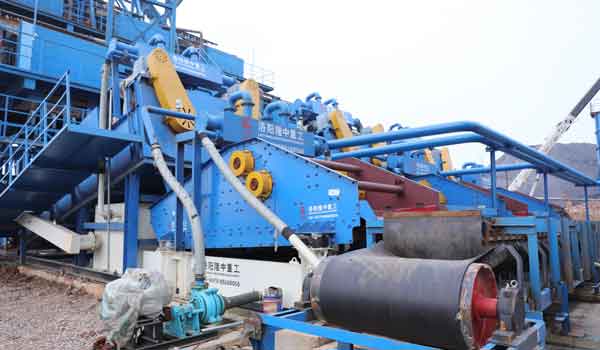
1) The site must be located outside blasting hazard zones, with safety distances compliant with relevant regulations; the distance from any blasting point should exceed 200m.
2) The plant site should be situated close to existing transportation routes, water sources, and power supplies.
3) The plant site should be located away from towns or residential areas. If installation within such areas is unavoidable, the facility must be positioned on the leeward side of the prevailing wind direction, maintaining necessary buffer zones.
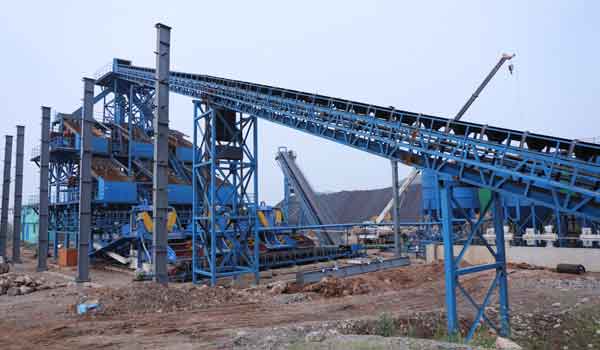
1) Comply with all relevant specifications and regulations regarding process engineering, transportation, fire protection, and construction.
2) While meeting process requirements, the overall layout should be as compact as possible to conserve land, while ensuring adequate space for equipment operation and maintenance.
3) Fully utilize the existing terrain for vertical design to minimize earthwork and rock excavation volumes, allowing crushed materials to flow by gravity where possible.
4) The rough crushing location should be situated close to the raw material yard, while the finished product yard should be positioned near the transportation road.
5) Avoid arranging critical workshops—such as those for crushing, screening, and sand making—in areas prone to karst caves, landslides, mud-rock flows, or fill zones. If placement in these areas is unavoidable, thorough technical assessments must be conducted, and reliable mitigation measures implemented.
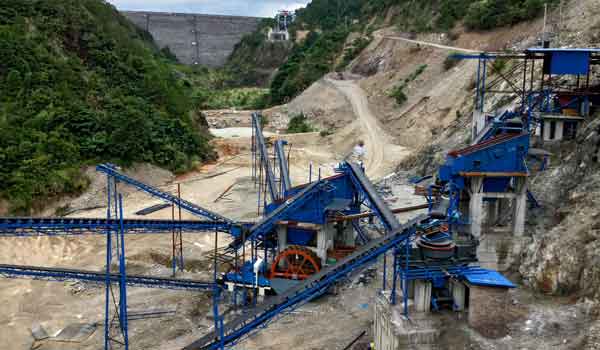
Electrical automation design should utilize advanced, reliable, and highly automated DCS or PLC control systems to achieve high efficiency, energy savings, stable production, and optimized control, thereby minimizing operator positions and reducing production costs.
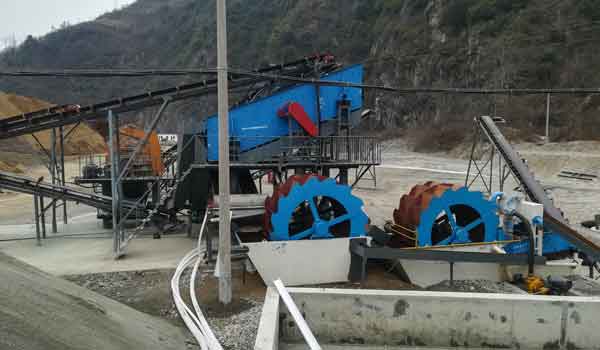
While meeting production requirements, civil engineering design should prioritize open-air placement of production equipment to minimize construction costs. Architectural design must strictly adhere to current national building codes and standards, with particular attention to workshop ventilation, heat dissipation, sound insulation, and vibration damping. Implement technical measures for fire prevention, explosion protection, waterproofing, and moisture control.
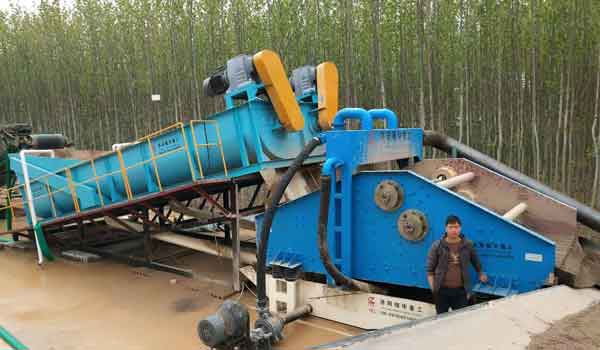
1) Water usage in the aggregate production line primarily includes spray dust suppression water, sand and stone washing water, domestic water, and firefighting water. The drainage system handles rainwater as well as production and domestic wastewater.
2) In state-designated heating zones, centralized heating systems should be incorporated into the design.
3) The design capacity of the compressed air station accounts not only for the total air consumption across the entire plant but also factors in pipeline leakage and a safety margin (1.2–1.3).
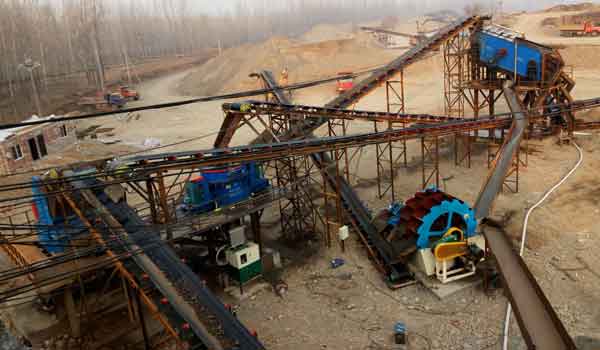
In mining operations, we analyze exploration data to formulate development and utilization plans tailored to ore body conditions. This approach ensures rational use of mineral resources while prioritizing ecological restoration—such as converting farmland back to forest—and mitigating geological hazards. Our goal is to achieve sustainable resource development, environmental protection, and eco-friendly operations.
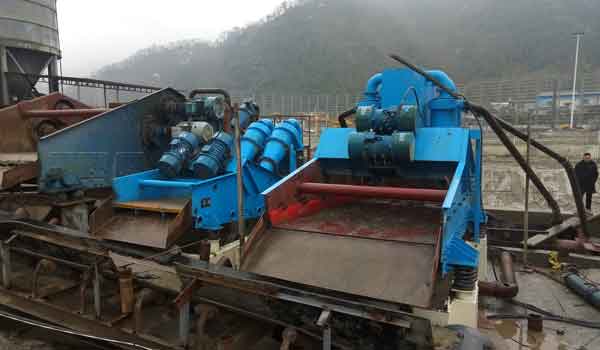
Many assume that designing a production process is straightforward. However, effective process design requires first defining the production scale, conducting process balance calculations to determine appropriate equipment capacity and utilization rates, and performing material balance calculations to establish optimal storage methods and durations for various materials. Additionally, dust control strategies must be tailored to the specific characteristics of dust generated during production, involving air volume calculations and the precise selection of dust collectors.
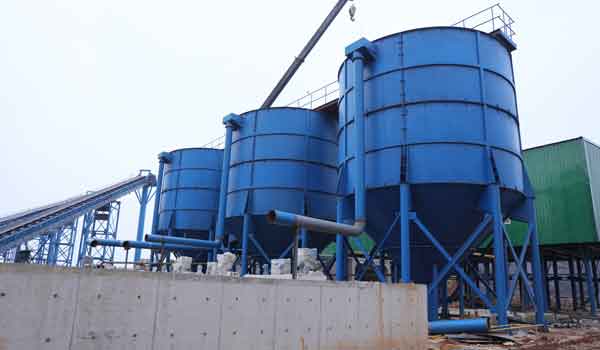
By analyzing ore properties such as soil content and hardness, and considering regional site conditions, we compare multiple solutions to select the most suitable equipment for soil removal, crushing, screening, sand making, dust collection, and transportation. Leveraging airflow balancing and systems theory, we optimize the performance coordination across each stage of the machine-made sand and gravel production line, ensuring the entire system operates with high quality and efficiency.
Please enter your inquiry and contact. We will reply you as soon as possible.
We are here for your questions anytime 24/7, welcome your consultation.
The latest sand washer price.
Installation and maintenance.
Screening
Sand Washing Machines
Sludge Treatment
Sand Recycling Machines
Address: Shuangyue Road, Changdai Town, Mengjin County, Luoyang, China
Email: export@lylzzg.com
Tel: +86-18736301510


 日本語
日本語 Русский
 中文
中文 Español
 Français
 Português
 العربية
 Tiếng Việt
 Deutsch
 한국어
한국어 Türkçe
 বাংলা
বাংলা हिन्दी
 Bahasa Melayu
 Kiswahili