
Date: Jul. 03, 2021
Dry tailings discharge is an emerging technology for tailings management that has gained traction globally. In this process, the tailings slurry undergoes multi-stage concentration before being processed by high-efficiency dehydration equipment, such as , to achieve low moisture content. The resulting material is easy to settle and solidify, allowing it to be transported to a designated area for dry storage.
By tailoring the dry discharge process and selecting appropriate equipment based on specific factors—such as tailings type, particle size, concentration, and mud content—operators can minimize land footprint and reduce capital investment while ensuring effective dry discharge. Below, we outline five common dry tailings processing schemes to help you select the most suitable solution for your operation.
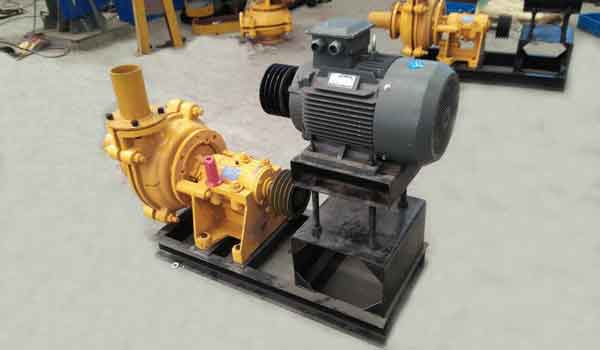
Beneficiation tailings with a concentration of 10%-20% are pumped via slurry pumps into cyclones. The cyclone overflow enters a thickener, where fine-grained particles are concentrated. The thickener overflow consists of clarified water, which is recycled back into the production cycle. The cyclone underflow and thickener underflow are combined, resulting in a final concentration of 45%-50%.
The dry tailings process plan fully leverages the differences in particle size among tailings. By prioritizing the concentration of coarse particles, it enhances the thickener’s processing capacity, reduces the required thickener diameter, and lowers capital investment. However, the discharge tailings concentration remains relatively low, making subsequent drying more challenging.
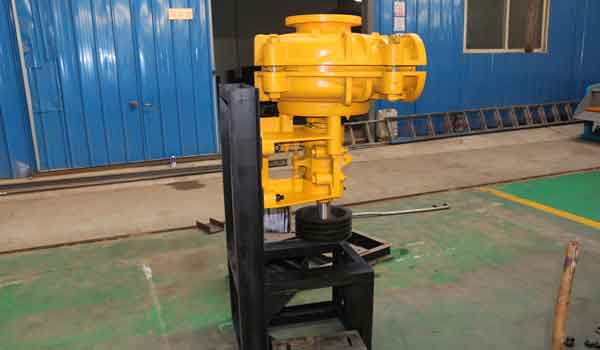
dry tailings discharge
In this configuration, beneficiation tailings are fed into a thickener, with the underflow directed to a filter. The resulting filter cake retains 15%–20% moisture content, enabling direct dry disposal. Overflow water from the thickener and filtrate from the filter are recycled back into the plant’s circulating water system for reuse.
The dry tailings discharge process yields materials with lower moisture content, achieving direct dry disposal and facilitating easier transportation. It is important to note that this approach requires large-scale thickeners, which entail significant footprint and higher capital expenditure, making it less suitable for tailings management at large and medium-sized concentrators.
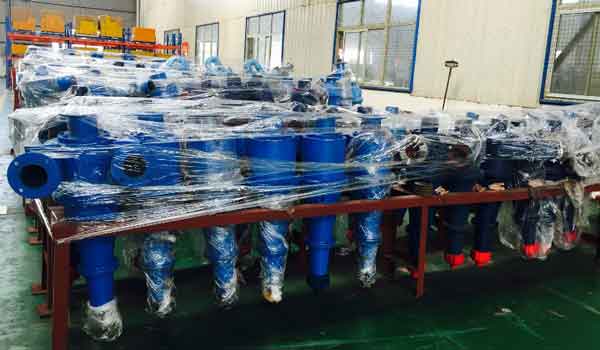
A cyclone is used as first-stage thickening equipment, the tailings slurry is fed into the cyclone, the overflow of the cyclone is fed into the thickener, and the underflow of the cyclone and the underflow of the thickener are combined to the filter. The overflow water and filtered water of the thickener are returned to the production circulating water for reuse. After filtration, the filter cake contains 15-20% water and can be directly drained.
The advantage of this tailings process scheme is that the one-stage dehydration of the cyclone greatly reduces the workload of the thickener. It can clarify the overflow water of the thickener, avoid running muddy, and at the same time reduce the specification of the thickener, occupy a small area, and reduce investment costs. However, the workload of the filter is large, and a large-size filter or multiple filters are required, and the energy consumption is high.
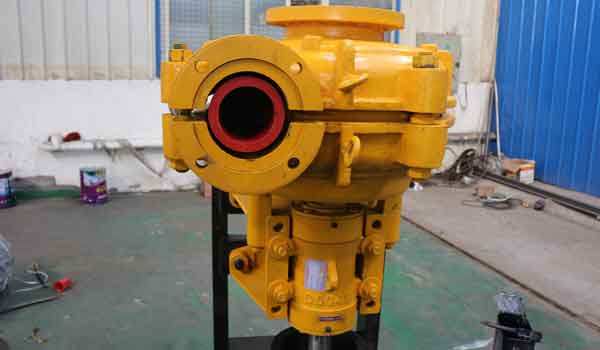
Beneficiation tailings are fed into the cyclone, with the cyclone overflow directed to the thickener. The thickener’s overflow water is returned to the production circulating system for reuse, while the cyclone underflow and concentrated underflow are fed into the dewatering screen. Material retained on the dewatering screen achieves a moisture content of 20%–25% for dry discharge, whereas undersize material returns to the thickener.
This tailings dry discharge process utilizes a dewatering screen for dehydration, reducing the need for filter equipment, lowering electricity consumption, and cutting investment costs. However, fine-grained materials passing through the dewatering screen return to the thickener, creating a closed loop that can compromise concentration efficiency. This may result in turbid overflow from the thickener and ultimately lead to wet discharge into the tailings pond, preventing full dry discharge.
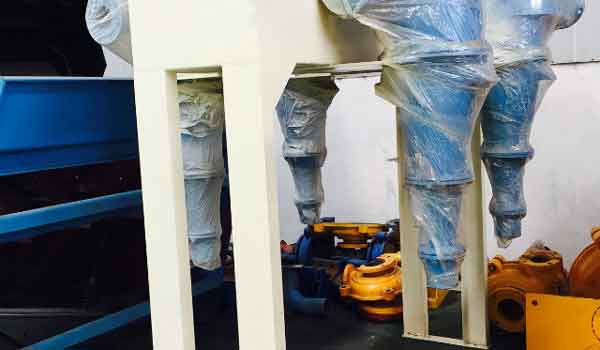
With the release of the “green mine” standard, the dry tailings process has demonstrated clear advantages in both economic and environmental terms, emerging as a key solution for future tailings management. In practical concentrator applications, it is recommended to select a dry tailings process plan tailored to the specific conditions of the concentrator—based on tailings scale and investment—and to customize dry tailings equipment accordingly.
Please enter your inquiry and contact. We will reply you as soon as possible.
We are here for your questions anytime 24/7, welcome your consultation.
The latest sand washer price.
Installation and maintenance.
Screening
Sand Washing Machines
Sludge Treatment
Sand Recycling Machines
Address: Shuangyue Road, Changdai Town, Mengjin County, Luoyang, China
Email: export@lylzzg.com
Tel: +86-18736301510


 日本語
日本語 Русский
 中文
中文 Español
 Français
 Português
 العربية
 Tiếng Việt
 Deutsch
 한국어
한국어 Türkçe
 বাংলা
বাংলা हिन्दी
 Bahasa Melayu
 Kiswahili