
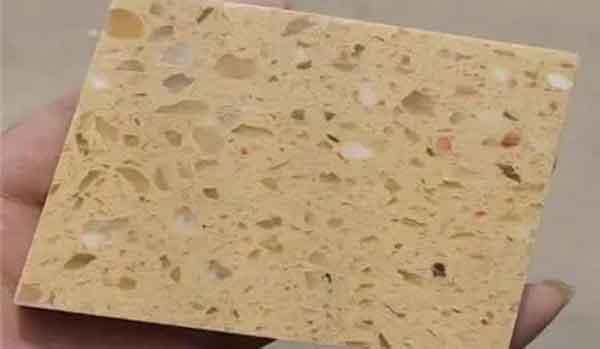
What is the difference between Quartz and Granite
Date: Mar. 10, 2022
The primary distinctions between quartz stone and granite lie in their pricing, manufacturing processes, and levels of practicality and aesthetic appeal. Granite utilizes unsaturated polyester resin as a binder, incorporating other inorganic substances through casting and related production methods. Quartz is predominantly composed of quartz sand, processed via kiln heating. What is the difference between artificial granite and quartz stone? First, it is essential to understand the concept of artificial stone. Artificial stone is a mineral board manufactured from natural ore powder, resin, and other materials. Its processing inevitably involves techniques such as vacuum casting and molding. Both artificial granite and quartz stone are produced using these methods. Secondly, granite is commonly referred to as synthetic stone, making it the most prevalent type of synthetic stone available on the market. While they appear similar to artificial quartz externally, they are distinct products. They contain stone powder and low-cost marble fragments, resulting in a relatively lower overall cost. Finally, quartz is the primary component of , accounting for over 90% of its composition. During manufacturing, it undergoes acid washing to remove most toxic and harmful substances. offers exceptional decorative appeal, lending interiors an elegant and sophisticated atmosphere. In addition, there are several key differences between the two materials: 1. has a higher density than granite, so weighing material samples can help you make an informed choice. Generally, high-quality feels heavier. A 10cm x 10cm sample typically weighs approximately 1 pound. 2. To test durability, scrape the edge of the sample horizontally with a standard blade. After multiple scrapes, will not shed powder or fragments, whereas granite may produce some dust. Note that initial scraping might reveal residual powder from the cutting…
Date: Mar. 10, 2022
Basalt is characterized by high hardness and toughness, offering broader application potential than granite, which tends to be hard but brittle. The basalt sand making machine serves as the core equipment in basalt processing lines, responsible for crushing and shaping basalt into granular form. For investors, the production cost of basalt sand-making machines remains a primary concern. This article analyzes these costs from three key perspectives. 1. Quality of sand making machine equipment for basalt processing Producing artificial sand from basalt requires sand-making machines with robust quality assurance. These machines operate on an impact-crushing principle, where materials are broken down through collision within the chamber. Due to basalt’s high hardness, collisions with internal components accelerate wear and can inevitably lead to machine damage. Costs associated with replacing wear-resistant parts, repairing damages, performing maintenance, and covering daily operational expenses are significant. Therefore, the quality of the basalt sand-making machine directly impacts overall production costs. 2. Cost of Basalt Sand Production Line Basalt processing requires not only a but also a complete production line. This line comprises multiple crushers, , , belt conveyors, vibrating feeders, , and other equipment. Considering the price of this equipment, the cost of producing artificial sand in…
Date: Mar. 04, 2022
With competition in the sand and gravel industry intensifying, how can you make your product stand out? Beyond investing in a high-quality , you also need reliable sand washing equipment. How do you choose the right machinery? This article breaks it down for you. 1. What is the daily processing capacity of modern sand washing machines? The primary function of advanced sand washing equipment is to remove surface dust and impurities from sand and gravel while breaking the water film surrounding individual grains. This process facilitates efficient dehydration, ensuring thorough cleaning and superior product quality. Currently, standard sand washing machines on the market offer capacities ranging from 15 to 200 tons per hour. For plants operating 8–10 hours daily, a single unit can achieve a daily output of 120 to 2,000 tons, meeting the production needs of most users. Please note that these figures are estimates; actual performance depends on factors such as the stone powder content and mud levels in the raw material. 2. What are the advantages and characteristics of new sand washing machine equipment? 1) Recyclable water resources: Water-saving, eco-friendly, and energy-efficient The cleaning process for manufactured sand typically requires a significant volume of water. However, systems…
Date: Mar. 04, 2022
When setting up a machine-made sand production line, careful selection of equipment is essential. Since many users are new to the sand and gravel industry and may not fully understand the production processes or schemes for machine-made sand, this article introduces the key production equipment used in such lines. 1. Jaw Crusher The jaw crusher features superior crushing force and robust crushing walls, combined with high wear-resistant lining plates, enabling it to process a wide range of ore materials. Users need not worry about ores being too hard to break. During the crushing process, it effectively reduces maintenance costs, lowers equipment failure rates, and ensures more reliable operation. 2. Impact Crusher The impact crusher operates on a unique principle that produces machine-made sand with excellent particle shape and simple size adjustment. Adjusting the gap between the impact plate and the hammer is all that’s required. Easy to operate, the impact crusher is typically used for secondary crushing, facilitating smooth production operations for sand-making machines and meeting stone production demands. 3. Sand Making Machine Currently, the most common sand-making machines are the HVI and VSI models. Each offers distinct advantages and characteristics. The HVI sand-making machine features a modular design for…
Date: Feb. 25, 2022
How to assess the economic efficiency and return on investment of a ? It primarily depends on whether the configuration of this is optimized. A superior design scheme not only effectively boosts production capacity but also generates significant economic benefits for customers. First, let's examine the process flow of the sand-making production line. 1. Rough Stone Feeding First, blasted raw stone from the quarry is transported by loading trucks via detonators and industrial explosives to the vibrating feeder. 2. Primary and Secondary Crushing The vibrating feeder evenly conveys the raw stone to the primary jaw crusher. The jaw crusher performs the first stage of crushing, known as coarse crushing. The production line can be designed with closed-loop circulation to achieve the desired particle size; subsequently, the crushed material discharged from the jaw crusher is sent via belt conveyor to a cone crusher or impact crusher for secondary crushing. 3. Sand Making and Screening Process After secondary fine crushing, the stone material is transported by belt conveyor to the sand-making machine for further fine crushing. The finely crushed material is then processed through vibrating screen equipment to separate finished products of various sizes. Final product quality is ensured through cleaning processes…
We are here for your questions anytime 24/7, welcome your consultation.
The latest sand washer price.
Installation and maintenance.
Screening
Sand Washing Machines
Sludge Treatment
Sand Recycling Machines
Address: Shuangyue Road, Changdai Town, Mengjin County, Luoyang, China
Email: export@lylzzg.com
Tel: +86-18736301510


 日本語
 Русский
 中文
 Español
 Français
 Português
 العربية
 Tiếng Việt
 Deutsch
 한국어
 Türkçe
 বাংলা
 हिन्दी
 Bahasa Melayu
 Kiswahili