
Date: Mar. 10, 2022
The primary distinctions between quartz stone and granite lie in their pricing, manufacturing processes, and levels of practicality and aesthetic appeal. Granite utilizes unsaturated polyester resin as a binder, incorporating other inorganic substances through casting and related production methods. Quartz is predominantly composed of quartz sand, processed via kiln heating.
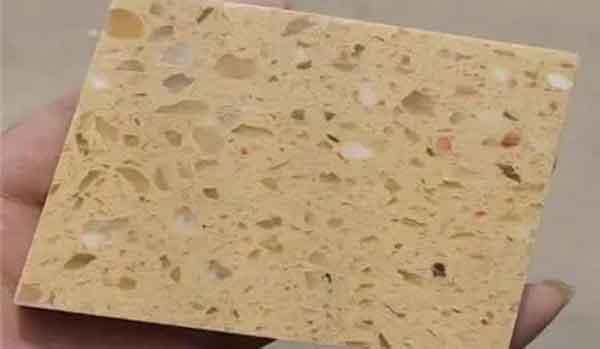
First, it is essential to understand the concept of artificial stone. Artificial stone is a mineral board manufactured from natural ore powder, resin, and other materials. Its processing inevitably involves techniques such as vacuum casting and molding. Both artificial granite and quartz stone are produced using these methods.
Secondly, granite is commonly referred to as synthetic stone, making it the most prevalent type of synthetic stone available on the market. While they appear similar to artificial quartz externally, they are distinct products. They contain stone powder and low-cost marble fragments, resulting in a relatively lower overall cost.
Finally, quartz is the primary component of , accounting for over 90% of its composition. During manufacturing, it undergoes acid washing to remove most toxic and harmful substances. offers exceptional decorative appeal, lending interiors an elegant and sophisticated atmosphere.
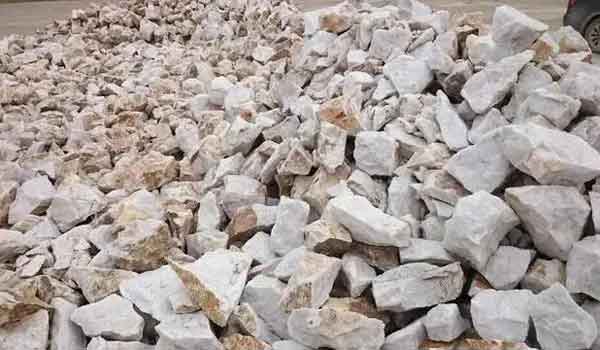
1. has a higher density than granite, so weighing material samples can help you make an informed choice. Generally, high-quality feels heavier. A 10cm x 10cm sample typically weighs approximately 1 pound.
2. To test durability, scrape the edge of the sample horizontally with a standard blade. After multiple scrapes, will not shed powder or fragments, whereas granite may produce some dust. Note that initial scraping might reveal residual powder from the cutting process; continue scraping several more times to ensure an accurate assessment.
3. Regarding surface finish, under natural light, exhibits a clear, mirror-like appearance. While polished granite also achieves a mirror finish, its color tends to appear slightly less vibrant or somewhat turbid compared to .
4. Check the label. Generally, granite and white quartz stone lack formal manufacturer or trademark information; however, authentic products typically come with a warranty certificate and a quality inquiry hotline. Some quartz stones feature trademarks stamped on the back.
5. Due to its high hardness, quartz stone cannot be fabricated into complex shapes, whereas granite is not subject to such restrictions.
6. Based on our understanding, granite can currently only mimic light-colored quartz stone; bright-colored granite cannot serve as a substitute.
Please enter your inquiry and contact. We will reply you as soon as possible.
We are here for your questions anytime 24/7, welcome your consultation.
The latest sand washer price.
Installation and maintenance.
Screening
Sand Washing Machines
Sludge Treatment
Sand Recycling Machines
Address: Shuangyue Road, Changdai Town, Mengjin County, Luoyang, China
Email: export@lylzzg.com
Tel: +86-18736301510


 日本語
 Русский
 中文
 Español
 Français
 Português
 العربية
 Tiếng Việt
 Deutsch
 한국어
 Türkçe
 বাংলা
 हिन्दी
 Bahasa Melayu
 Kiswahili