
Date: Aug. 21, 2021
Tailings are materials generated during operations that contain low concentrations of valuable components and cannot currently be economically utilized in industrial production. They also constitute the primary component of industrial solid waste. As gold mining resources are continuously exploited and technologies for refractory gold ores advance, the volume of gold mine tailings discharged has increased year by year. This trend inevitably leads to a series of challenges, thereby driving the need for effective treatment and comprehensive utilization of gold mine tailings.
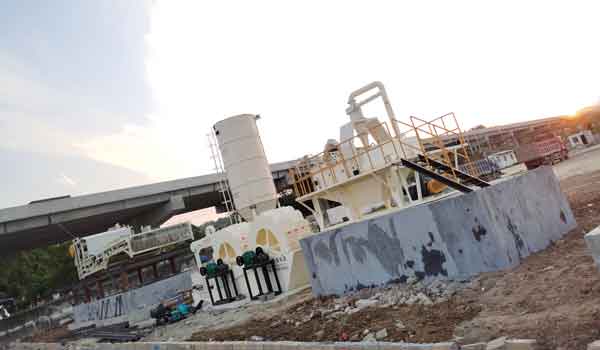
Chemical agents are essential in the gold ore beneficiation process. Residual chemicals remain in the tailings, and if heavy metals, toxic substances, or harmful pollutants flow downstream or infiltrate the ground, they pose significant risks. Even ultra-fine tailings particles can become airborne via wind drift, causing harm to the surrounding environment.
Due to limitations in previous beneficiation technologies, a substantial amount of valuable resources remains unrecovered within the tailings, leading to missed opportunities for comprehensive utilization.
The accumulated tailings inventory faces critical safety hazards, including potential collapse and landslide incidents.
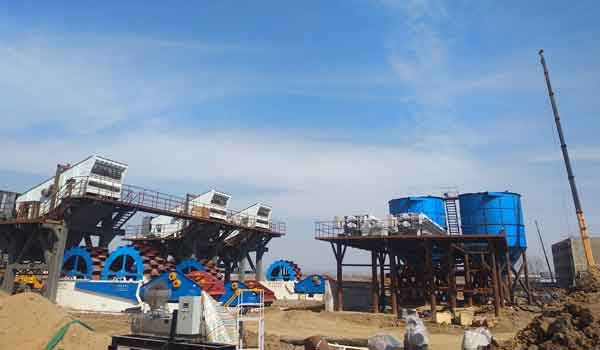
Given these challenges, the treatment and comprehensive utilization of gold mine tailings have become urgent priorities. Currently, common methods for treating and utilizing gold mine tailings mainly include the following approaches:
Th
The gold content in gold mine tailings generally ranges from 0.2 to 0.6 g/t. Due to outdated mining technologies in the past, a portion of gold and silver remains trapped in the tailings. Additionally, most gold ores in China are associated with copper, lead, zinc, iron, sulfur, and other elements. With advancements in beneficiation technology, valuable elements—including gold and silver—can be comprehensively recovered from gold mine tailings based on their specific characteristics. Consequently, tailings re-selection has become a major trend in current gold mine tailings treatment.
The dry tailings discharge process alleviates storage pressure on tailings dams, reduces potential safety hazards, and enables backwater utilization to lower wastewater treatment demands while cutting down mine production and operational costs. This approach aligns with national requirements for green environmental protection in mining construction.
For gold mine tailings generated after all-mud cyanidation extraction, a filter press dewatering process can be employed. Since the press filtrate is recycled back into the process flow, most of the cyanide ions, alkali, and dissolved gold are recovered. This significantly reduces water consumption for beneficiation, as well as lime and cyanide usage, while minimizing the discharge of cyanide-containing wastewater.
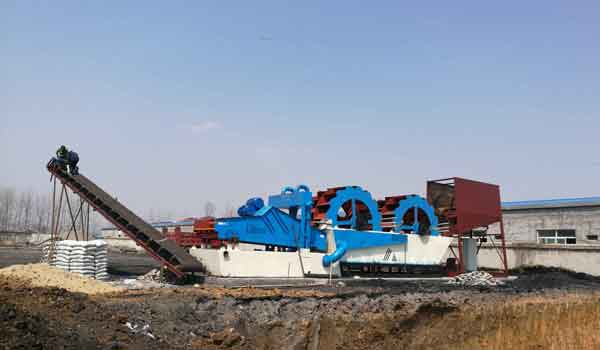
Deposit types are complex and surrounding rocks vary widely. Some deposits contain few metallic minerals, while gangue minerals are relatively pure. Gold tailings can be directly utilized as key non-metallic raw materials or building materials, such as for manufacturing bricks, preparing glass-ceramics, and producing aerated concrete, Portland cement, etc.
As an effective backfill material, tailings enable local sourcing and waste utilization, eliminating costs associated with collecting, crushing, and transporting conventional fillers and crushed stone. For high-value gold ore bodies, tailings improve pillar extraction conditions and reduce dilution losses. Typically, appropriate amounts of cement or other binding agents are added to the filler to consolidate loose tailings into a solid mass with specific strength.
Land reclamation is also an effective method for treating gold mine tailings. Specific measures are implemented on gold mine tailings ponds to cultivate agricultural, forestry, livestock, and essential crops, thereby conserving soil and reinforcing embankments. This approach positively contributes to environmental protection and pollution prevention.
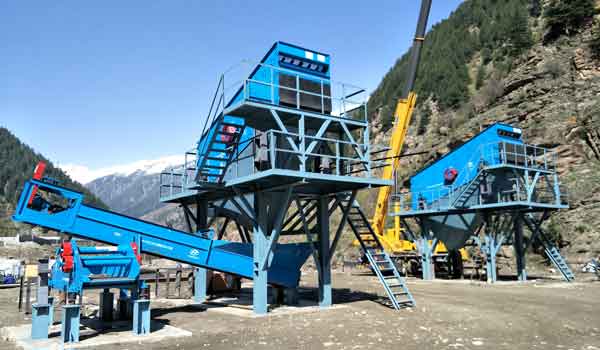
The above outlines common methods for gold mine tailings treatment and comprehensive utilization. In practical applications, it is recommended to comprehensively evaluate the characteristics of the gold mine tailings, the scale of the tailings deposit, and the return on investment to determine the most suitable treatment and utilization strategies, and to customize appropriate gold mine tailings treatment equipment accordingly.
Please enter your inquiry and contact. We will reply you as soon as possible.
We are here for your questions anytime 24/7, welcome your consultation.
The latest sand washer price.
Installation and maintenance.
Screening
Sand Washing Machines
Sludge Treatment
Sand Recycling Machines
Address: Shuangyue Road, Changdai Town, Mengjin County, Luoyang, China
Email: export@lylzzg.com
Tel: +86-18736301510


 日本語
日本語 Русский
 中文
中文 Español
 Français
 Português
 العربية
 Tiếng Việt
 Deutsch
 한국어
한국어 Türkçe
 বাংলা
বাংলা हिन्दी
 Bahasa Melayu
 Kiswahili