
Date: Nov. 11, 2021
When the filter press is operating, its primary function is to remove water from the filtrate. However, in winter, cold temperatures can cause this water to freeze easily. Freezing poses a significant risk of machine damage and prevents subsequent operations from proceeding. For companies, continuously enhancing the working performance of the filter press remains an enduring priority. To effectively improve filter press performance, it is essential to first understand the relevant influencing factors.
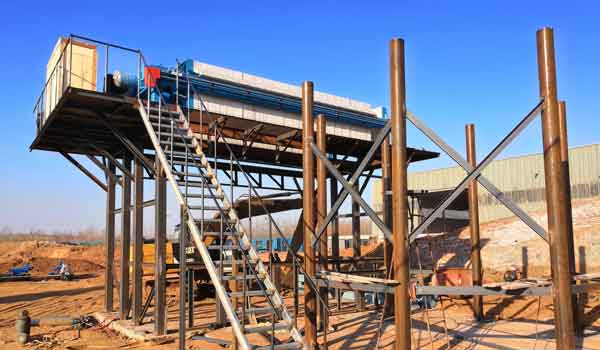
Pressure control is the main factor affecting the filtration efficiency of the filter press. As widely known, the core working principle of a filter press relies on pressure regulation and adjustment to achieve filtration. Consequently, the condition of the pressure system is critical; its operational status directly determines the quality of the filtration results.
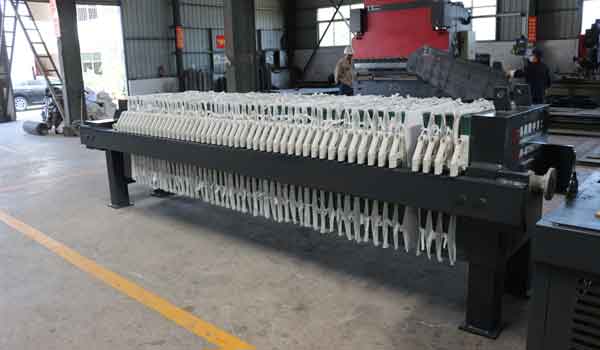
The second factor influencing filter press performance is filtration speed. Many manufacturers blindly prioritize high filtration rates, often overlooking the fundamental principles of effective filtration. In reality, the optimal filtration speed for a filter press should be determined based on the concentration of the slurry. Key variables such as resistance must be carefully evaluated to ensure the operating speed is appropriately calibrated for maximum efficiency.
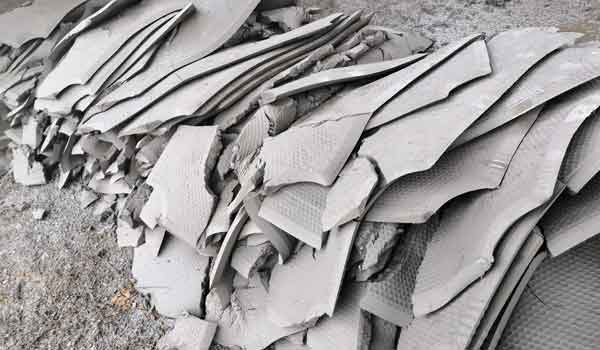
Another critical factor affecting filter press performance is the filter area. Generally, a larger filter area allows for greater throughput; however, this can lead to increased carryover of fine particles during the filtration process, potentially compromising the clarity and quality of the filtrate.
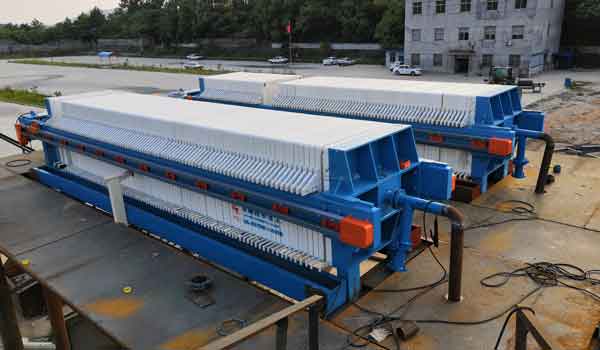
Proper maintenance not only enhances operational efficiency but also extends the service life of sludge treatment equipment. During cold winter months, low temperatures reduce the activity of sewage. In extreme cold conditions, filtrate may solidify or become a mixture of solids and liquids. When this material is fed into the equipment by the feed pump, it can cause pipeline blockages, leading to impact and friction against the filter plates. This accelerates wear and aging of the sludge treatment equipment and, in severe cases, may result in equipment damage.
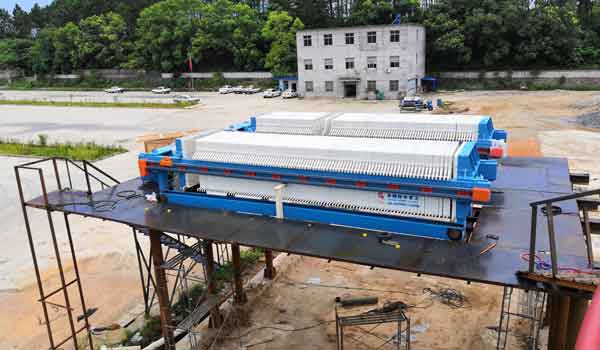
Avoid starting sludge treatment equipment directly when temperatures are low. Instead, initiate startup gradually and allow the hydraulic system to warm up before commencing operations to ensure optimal performance. Additionally, select lubricating grease and hydraulic oil with suitable cold-flow and antifreeze properties for winter use to prevent freezing, which could otherwise hinder normal equipment operation.
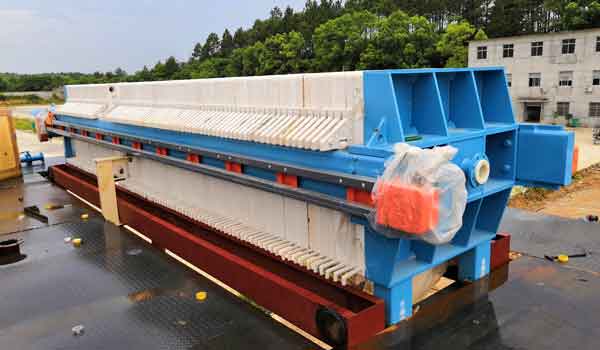
The above are the precautions for sludge and sewage treatment equipment in sand washing applications during winter. We hope this information helps you when operating sludge dewatering equipment in sand washing fields.
Please enter your inquiry and contact. We will reply you as soon as possible.
We are here for your questions anytime 24/7, welcome your consultation.
The latest sand washer price.
Installation and maintenance.
Screening
Sand Washing Machines
Sludge Treatment
Sand Recycling Machines
Address: Shuangyue Road, Changdai Town, Mengjin County, Luoyang, China
Email: export@lylzzg.com
Tel: +86-18736301510


 日本語
日本語 Русский
 中文
中文 Español
 Français
 Português
 العربية
 Tiếng Việt
 Deutsch
 한국어
한국어 Türkçe
 বাংলা
বাংলা हिन्दी
 Bahasa Melayu
 Kiswahili