
Date: May. 19, 2022
River sand and machine-made sand are both widely used raw materials for concrete production in infrastructure projects. Which is the more suitable option? As construction activity expands, so does the demand for concrete and aggregates. Facing cost pressures from rising natural sand prices, along with resource scarcity and environmental regulations, machine-made sand is emerging as the primary direction for future development in aggregate engineering.
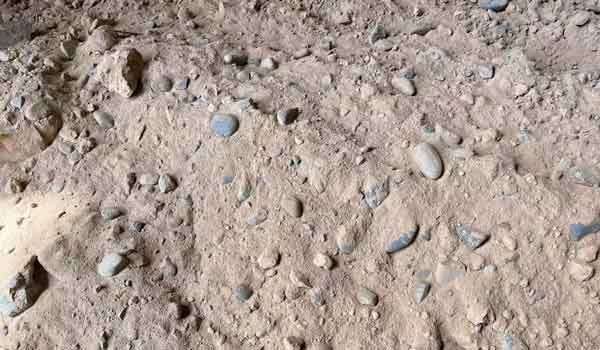
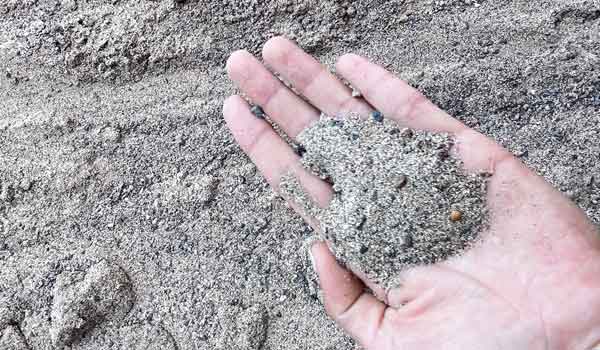
1. Compared to river sand, machine-made sand features sharp edges and corners, a higher proportion of needle-like and flaky particles, and a rougher surface texture, making it visually distinguishable.
2. The hardness of machine-made sand is slightly lower than that of river sand, but it still meets relevant industry standards.
3. Machine-made sand and gravel powder typically contain a high proportion of fines. Currently, the primary methods for managing this are dry dust collection and wet water washing. The dry method utilizes dust collectors but is generally suitable only for Class III production. Water washing is the key technology for producing high-quality machine-made sand; however, attention must be paid to water conservation and environmental protection.
4. Natural sand typically has a fixed fineness modulus with various gradations. In contrast, the fineness modulus of machine-made sand can be artificially controlled through the production process, allowing output to be tailored to specific user requirements—a capability that natural sand lacks.
5. Machine-made sand offers superior adhesion, higher compressive strength, and a longer service life.
6. The mineral and chemical composition of machine-made sand is consistent with its raw materials, making it less complex than that of natural sand.
In today’s market, various types of equipment can be used to produce artificial sand, including roller sand making machines, compound sand making machines, VSI sand making machines, HVI sand making machines, and new mobile sand making plants. Considering practical performance and economic efficiency, the HVI sand-making machine offers a relatively cost-effective solution. The specific features of this device are outlined below:
1. High Throughput: Featuring a deep-cavity impeller design, the volume of material passing through the crushing chamber increases by more than 35%.
2. Enhanced Durability: All components are constructed from high-strength steel with precision craftsmanship. The upper and lower sides of the surrounding guard plates can be rotated for reuse, significantly extending the service life of the equipment.
3. Reduced Operating Costs: The combined ejection port design allows for partial replacement; if damaged, only the affected parts need to be replaced rather than the entire assembly, reducing overall maintenance costs by approximately 40%.
4. Environmental Protection: The optimized sealed structure design can be integrated with multi-stage dust removal and noise reduction devices to eliminate operational issues caused by noise and dust, creating a green and eco-friendly sand-making environment.
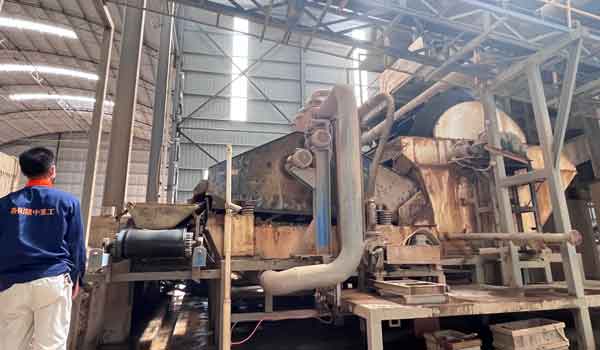
LZZG Mining Machinery Factory offers a wide range of machine-made sand equipment types and models, along with one-stop EPC project general contracting services that guarantee both quality and quantity. We also provide on-site installation, commissioning services, and professional technical training. You are welcome to visit our factory at any time.
Please enter your inquiry and contact. We will reply you as soon as possible.
We are here for your questions anytime 24/7, welcome your consultation.
The latest sand washer price.
Installation and maintenance.
Screening
Sand Washing Machines
Sludge Treatment
Sand Recycling Machines
Address: Shuangyue Road, Changdai Town, Mengjin County, Luoyang, China
Email: export@lylzzg.com
Tel: +86-18736301510


 日本語
 Русский
 中文
 Español
 Français
 Português
 العربية
 Tiếng Việt
 Deutsch
 한국어
 Türkçe
 বাংলা
 हिन्दी
 Bahasa Melayu
 Kiswahili