
Date: Dec. 09, 2020
The sludge sewage treatment equipment in the sand washing sector typically employs filter presses and thickening tanks. As a widely adopted solution for sludge management, filter presses efficiently separate various types of high-moisture sludge, facilitating easier storage and transportation while effectively addressing the low efficiency associated with traditional sedimentation-based methods. What key considerations should be noted when selecting sludge and sewage treatment equipment for sand washing operations?
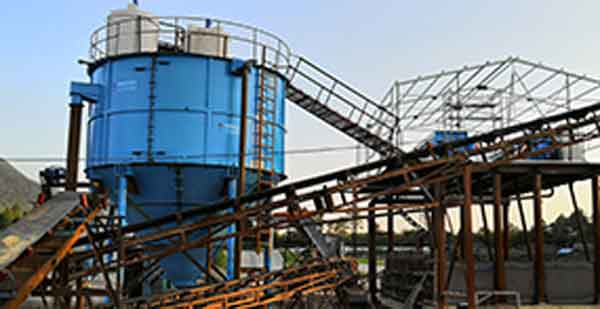
Pressure control is the primary factor influencing the filtration efficiency of a filter press. As widely recognized, the core operating principle of a filter press relies on precise pressure regulation to achieve effective separation. Consequently, the condition of the pressure system is critical; its operational status directly determines the quality of the filtration outcome.
Filtration speed is the second key factor affecting the performance of a filter press. Many manufacturers currently prioritize high filtration rates without considering the fundamental requirements of the process. The optimal filtration speed must be tailored to the concentration of the slurry or liquid being processed. Factors such as resistance and flow dynamics should be carefully evaluated to ensure the filter press operates at an appropriately calibrated speed for maximum efficiency.
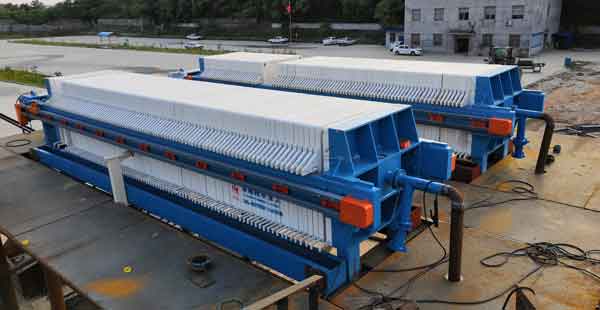
The larger the filter area, the higher the throughput of materials passing through it. This results in more residue being carried away during filtration, which ultimately degrades the overall filtering efficiency.
Proper maintenance not only enhances operational efficiency but also extends the service life of sludge treatment equipment. During cold winter months, low temperatures reduce the activity level of sewage. Under these conditions, the filtrate may solidify or form a mixture of solids and liquids. When this material is fed into the equipment by the feed pump, it can cause pipe blockages. The resulting flow issues may lead to impact and friction against the filter plates, accelerating wear and aging of the sludge treatment equipment, and potentially causing severe damage in extreme cases.
When temperatures drop to the point where hydraulic oil begins to solidify, the oil pump fails to deliver optimal performance. This leads to inadequate pressure within the system, preventing the filter press chambers from sealing properly and disrupting normal operation. Avoid starting the sludge treatment equipment directly when the tempera
ture is low, start it slowly as much as possible, and wait for the hydraulic system to warm up before performing operations, to achieve better results.
Please enter your inquiry and contact. We will reply you as soon as possible.
We are here for your questions anytime 24/7, welcome your consultation.
The latest sand washer price.
Installation and maintenance.
Screening
Sand Washing Machines
Sludge Treatment
Sand Recycling Machines
Address: Shuangyue Road, Changdai Town, Mengjin County, Luoyang, China
Email: export@lylzzg.com
Tel: +86-18736301510


 日本語
 Русский
 中文
 Español
 Français
 Português
 العربية
 Tiếng Việt
 Deutsch
 한국어
 Türkçe
 বাংলা
 हिन्दी
 Bahasa Melayu
 Kiswahili