
Date: Oct. 26, 2021
The sand washing machine removes impurities from the surface of the sand and disrupts the water vapor layer covering it, facilitating dehydration and ensuring efficient washing and cleaning. Long-term operation can lead to a series of issues that ultimately affect the output of the sand washer. Understanding how to resolve these problems and maintain optimal output is a key concern for many customers. This article summarizes methods to increase the output of sand washers and address common failures.
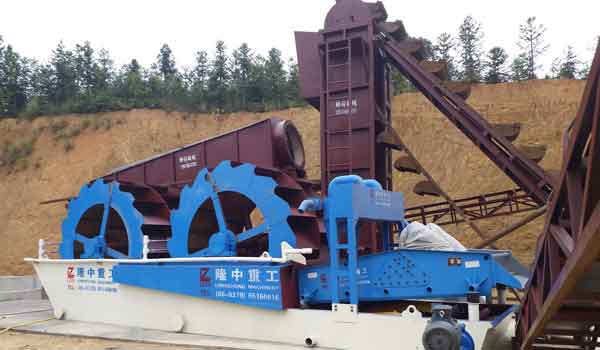
By understanding common faults in sand washers, operators can avoid uncertainty when equipment unexpectedly stops running. Timely identification and resolution of issues significantly enhance the effectiveness of the sand washer.
1. Noise in the transmission system of the sand washing machine, caused by insufficient gear lubrication or changes in gear spacing.
Solution: Add adequate grease and adjust and tighten the anchor bolts of the reducer.
2. Gear failure is often caused by damage resulting from inadequate maintenance of the sand washer. Specifically, the parallelism between the sand washer shaft and the reducer’s low-speed shaft does not meet the required specifications.
Solution: Lubricate at the specified intervals and adjust components to ensure they meet alignment requirements.
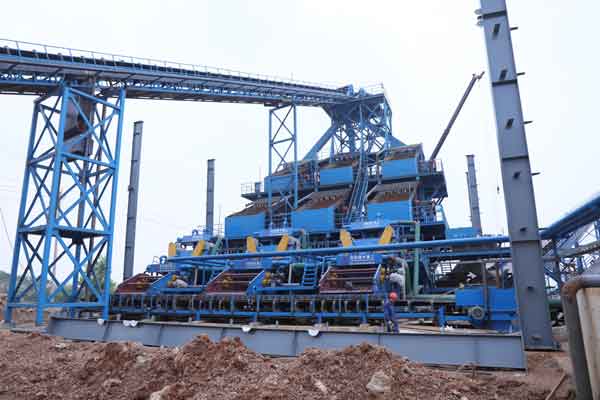
3. Rack vibration failures are typically caused by loose coupling frame bolts or loose bearing seat bolts.
Solution: Tighten all bolts on the sand washing machine; inspect and secure any loose fasteners.
4. Reduced sand washing capacity or sand leakage issues are generally due to a damaged screen mesh or detached screen mesh fixing bolts.
Solution: Inspect, repair, or replace the screen mesh as necessary, and tighten all fixing bolts.
5. Noise in the bearing area can stem from several causes. When rolling bearings lack sufficient lubrication, they produce a “gurgling” sound. If the bearing steel ring fractures, an intermittent “clunking” noise may occur, indicating worn-out bearing components. Additionally, the presence of sand or other debris within the bearing can also generate noise.
Solution: Add lubricant to the sand washing machine. If the bearing is cracked, the inner and outer rings are broken, or the bearing is excessively worn, replace it with a new bearing of the same model as the original. Clean in a timely manner.
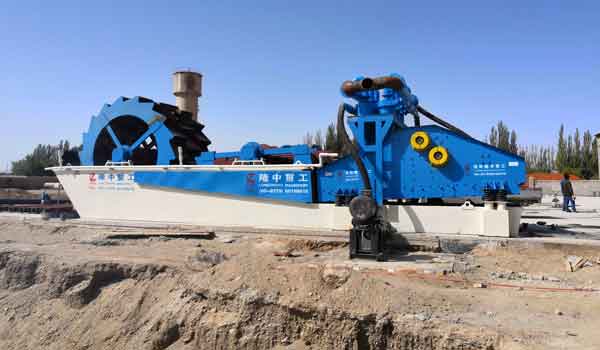
Operator skill levels directly impact the output of the sand washing machine. Therefore, before operation, ensure that equipment operators receive thorough training to understand the working principles, performance characteristics, and various precautions associated with the sand washing machine.
The operational effectiveness of any equipment is closely tied to its inherent quality. As widely recognized, variations in equipment quality among identical products can lead to significant differences in user experience and value.
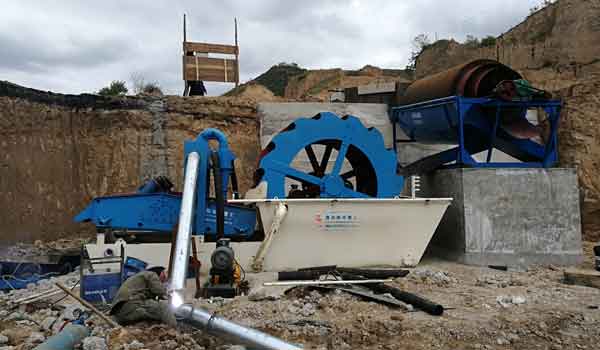
The quality of the raw sand is a decisive factor affecting the output of the , including the amount of dirt, stones, shells, and other impurities present in the sand. Additionally, particle size will impact the capacity of the .
Regular maintenance of the is essential to keep it in optimal working condition, which is a prerequisite for ensuring consistent output.
If you encounter any other issues while using the , please contact us at any time. We are committed to providing you with a satisfactory solution.
Please enter your inquiry and contact. We will reply you as soon as possible.
We are here for your questions anytime 24/7, welcome your consultation.
The latest sand washer price.
Installation and maintenance.
Screening
Sand Washing Machines
Sludge Treatment
Sand Recycling Machines
Address: Shuangyue Road, Changdai Town, Mengjin County, Luoyang, China
Email: export@lylzzg.com
Tel: +86-18736301510


 日本語
日本語 Русский
 中文
中文 Español
 Français
 Português
 العربية
 Tiếng Việt
 Deutsch
 한국어
한국어 Türkçe
 বাংলা
বাংলা हिन्दी
 Bahasa Melayu
 Kiswahili