
Date: Jun. 09, 2022
Many types of stones can be used to produce machine-made sand in the mining industry. There are more than 200 kinds of stones that can be used to produce machine-made sand. The following will introduce the common raw materials of machine-made sand and the process of the sand production line.
These kinds of stones are ideal building materials with a hard texture and can be used as raw materials for stone and sand in the machine-made sand production line. For example, machine-made sand made of basalt is mixed into concrete, which can reduce the weight of concrete, and also has the advantages of sound insulation, The role of heat insulation is a good sand and gravel aggregate for lightweight high-rise building concrete.
Machine-made sand produced from river pebbles is widely used in road paving and residential construction. Stone powder generated during the production of machine-made sand from granite and limestone can also be effectively reused.
Sandstone, primarily composed of feldspar and quartz, is a type of sedimentary rock formed from various rock fragments. It serves as an excellent raw material for machine-made sand due to its superior grain shape and strength. The resulting machine-made sand meets or even exceeds the quality standards of natural sand. It offers advantages such as resistance to weathering and melting, along with sound absorption and moisture resistance properties. Additionally, it is a high-quality material for building decoration.
Although originally classified as industrial waste, materials such as tailings, coal gangue, and especially construction waste become valuable resources after undergoing the sand-making process. In recent years, converting construction waste into sand has emerged as a highly popular project within the sand and gravel industry, attracting significant interest from numerous users.
Crushed stones, concrete blocks, bricks, and tiles found in construction waste can be processed into new sand and gravel aggregates for use in highway and construction projects. Utilizing these industrial wastes for sand production not only reduces energy investment costs and generates high profits but also contributes significantly to waste recycling efforts.
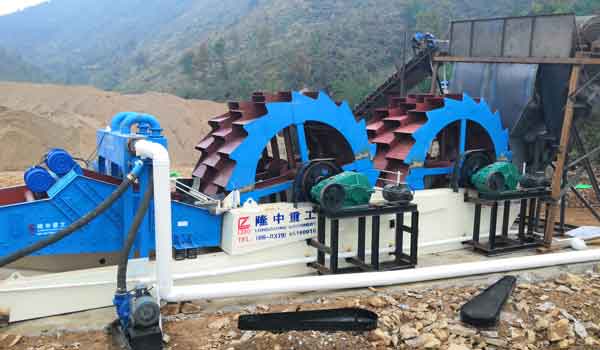
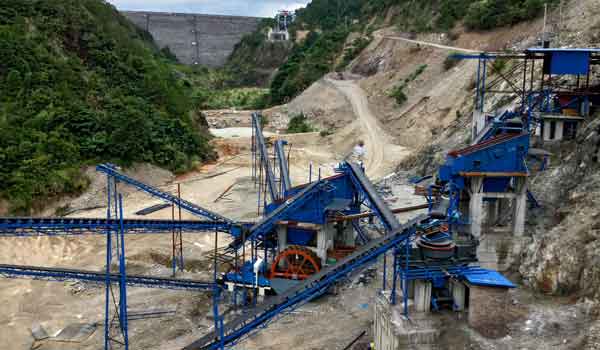
The production process for machine-made sand encompasses feeding, conveying, crushing, sand making, screening, and washing. After screening, machine-made sand that meets particle size specifications is sent to a sand washing machine for cleaning, resulting in clean, finished product.
We understand that many are interested in the specific workflow of a machine-made sand production line. Using river pebbles as an example, we will outline two production processes based on different capacity requirements:
Configured equipment includes: vibrating feeder, jaw crusher, cone crusher, impact sand making machine, vibrating screen, sand washing machine, belt conveyor, dust removal system, and other auxiliary units.
For hard materials, combining a jaw crusher with a cone crusher offers high efficiency. However, since aggregates processed by cone crushers often contain significant needle-like or flaky particles, an impact sand making machine is incorporated to optimize shape and quality.
The materials processed by the impact sand-making machine feature a more uniform particle size and excellent crushing performance. Combined with the cleaning and impurity removal capabilities of the sand washing machine, the final machine-made sand is cleaner and holds greater market potential.
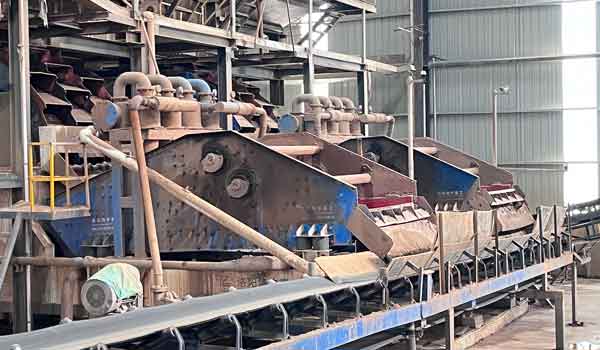
Configured sand-making equipment: vibrating feeder, jaw crusher, compound crusher/roller crusher, vibrating screen, belt conveyor, dust removal system, and other auxiliary equipment.
The jaw crusher serves as the primary crushing stage. It can process all materials with a feed particle size of less than 1200mm. The jaw crusher handles a wide variety of materials and is capable of crushing general ores. Its hourly output ranges from 1 to 2,000 tons, allowing users to select the appropriate model based on their actual production requirements.
Both the compound crusher and the roller crusher are compact sand-making units. They offer lower production capacity, require less floor space, consume less power, and provide energy savings. These machines are ideal for small-scale sand and gravel plants with limited output demands.
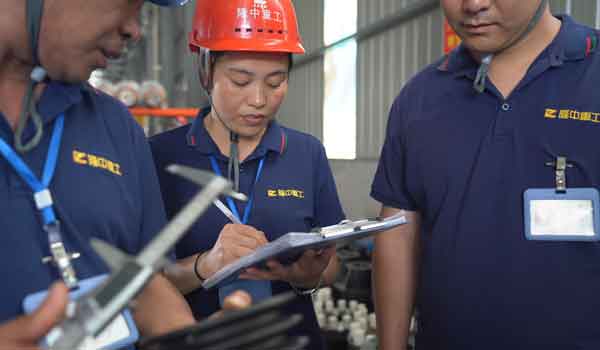
As river sand resources become increasingly scarce, machine-made sand is set to replace it as the primary aggregate source. River sand extraction faces significant challenges, whereas machine-made sand offers convenient raw material access and a scientifically optimized production process that fully meets construction industry standards. Consequently, demand for machine-made sand has surged, driving steady growth in market sales.
Please enter your inquiry and contact. We will reply you as soon as possible.
We are here for your questions anytime 24/7, welcome your consultation.
The latest sand washer price.
Installation and maintenance.
Screening
Sand Washing Machines
Sludge Treatment
Sand Recycling Machines
Address: Shuangyue Road, Changdai Town, Mengjin County, Luoyang, China
Email: export@lylzzg.com
Tel: +86-18736301510


 日本語
 Русский
 中文
 Español
 Français
 Português
 العربية
 Tiếng Việt
 Deutsch
 한국어
 Türkçe
 বাংলা
 हिन्दी
 Bahasa Melayu
 Kiswahili